Ratings represent our editorial opinion, not Amazon's. TechXFinder is reader-supported and may earn an affiliate commission. Details

X Smart Home Alternative

Alex Chen

Alex Chen

Senior reporter

★★★★★5.0
500+ views
6 min read

Looking for the best x smart home alternative? We tested Aeotec, Aqara, Smart and 2 more top brands.

Our Top Picks

Best Overall
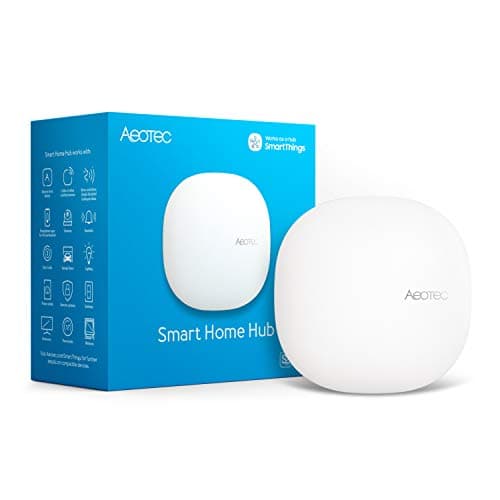
Aeotec Smart Home Hub, Works as a SmartThings Hub, Z-Wave, Zigbee, Matter Gateway, Compatible with Alexa, Google Assistant, WiFi

Aeotec Smart Home Hub, Works as a SmartThings Hub, Z-Wave, Zigbee, Matter Gateway, Compatible with Alexa, Google Assistant, WiFi

4.8
Wireless Protocols:Z-Wave, Zigbee, Matter
Platform Compatibility:SmartThings Platform
Voice Assistant Support:Alexa and Google
Local Processing:Local Automations Supported
Connectivity Options:WiFi Connectivity
Device Capacity:Thousands of Devices

Future-proof your smart home with unparalleled protocol support and robust local processing capabilities.

Check Price
Best Value
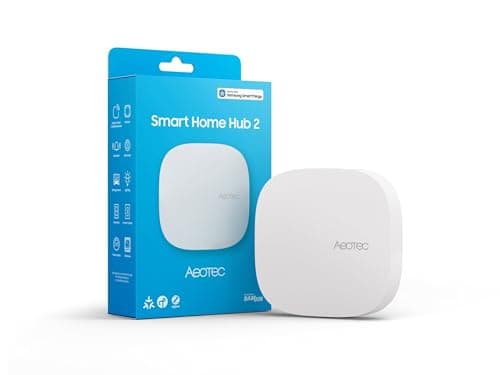
Aeotec Smart Home Hub2 - V4, Works as a SmartThings Hub, Zigbee, Matter Gateway, Compatible with Alexa, Google Assistant, WiFi (No Z-Wave)

Aeotec Smart Home Hub2 - V4, Works as a SmartThings Hub, Zigbee, Matter Gateway, Compatible with Alexa, Google Assistant, WiFi (No Z-Wave)

4.7
Wireless Protocols:Zigbee and Matter
Platform Compatibility:SmartThings Platform
Voice Assistant Support:Alexa and Google
Local Processing:Local Automations Included
Connectivity Options:WiFi Connectivity
Device Capacity:Modern Protocol Support

Enjoy reliable performance and modern Matter support at an affordable, budget-friendly price.

Check Price
Best Premium
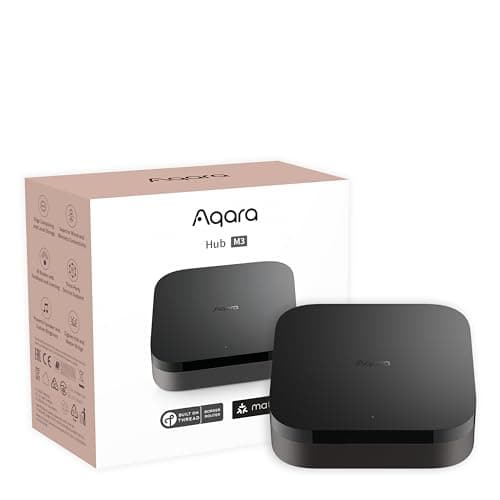
Aqara Smart Home Hub M3 for Advanced Automation, Matter Controller, Thread Border Router, Features Zigbee, Bluetooth, Wi-Fi, PoE, IR, Supports Alexa, Apple HomeKit, SmartThings, Home Assistant, IFTTT

Aqara Smart Home Hub M3 for Advanced Automation, Matter Controller, Thread Border Router, Features Zigbee, Bluetooth, Wi-Fi, PoE, IR, Supports Alexa, Apple HomeKit, SmartThings, Home Assistant, IFTTT

4.8
Wireless Protocols:Zigbee, Thread, Matter
Platform Compatibility:Multi-Platform Support
Voice Assistant Support:HomeKit and Alexa
Local Processing:Edge Hub Local Control
Connectivity Options:WiFi and PoE
Device Capacity:254 Total Devices

Experience advanced automation with Thread, IR control, and Power over Ethernet for stability.

Check Price

Detailed Reviews

What to Look For X Smart Home Alternative

Wireless Protocols

Determines which device standards (Z-Wave, Zigbee, Matter, Thread) the hub supports, ensuring compatibility with your existing sensors, locks, and switches.

Platform Compatibility

Identifies the primary software ecosystem (e.g., SmartThings, Home Assistant, Alexa) used to manage devices, defining the user interface and automation logic available.

Voice Assistant Support

Confirms integration with platforms like Amazon Alexa or Google Assistant, allowing for hands-free voice commands and seamless control alongside smart speakers.

Local Processing

Indicates if automations run on the device rather than the cloud, ensuring faster execution of routines and reliability during internet outages.

Connectivity Options

Specifies if the hub connects via Ethernet or Wi-Fi, providing flexibility for placement near a router or in a central location for better wireless coverage.

Device Capacity

The maximum number of connected devices supported, ensuring the hub can handle current needs and future expansion of the smart home system.

#1
Aeotec Smart Home Hub, Works as a SmartThings Hub, Z-Wave, Zigbee, Matter Gateway, Compatible with Alexa, Google Assistant, WiFi
by Aeotec
X Score
:
4.8 / 5.0

Aeotec Smart Home Hub, Works as a SmartThings Hub, Z-Wave, Zigbee, Matter Gateway, Compatible with Alexa, Google Assistant, WiFi

BEST OVERALL

This hub stands as the definitive choice for serious smart home enthusiasts. By supporting Z-Wave, Zigbee, and Matter, it offers unparalleled versatility for connecting thousands of devices. The integration with the SmartThings ecosystem is seamless, allowing for robust automation routines. Users appreciate that many automations run locally, which improves speed and reliability. This device is an excellent powerhouse that effectively future-proofs any modern smart home setup.

Key Specifications

Wireless Protocols
Z-Wave, Zigbee, Matter
Platform Compatibility
SmartThings Platform
Voice Assistant Support
Alexa and Google
Local Processing
Local Automations Supported
Connectivity Options
WiFi Connectivity
Device Capacity
Thousands of Devices

Reasons to Buy

  • Supports Z-Wave protocol
  • Robust local processing
  • Wide device compatibility
  • Future-proofed with Matter

Reasons Not to Buy

  • Requires SmartThings account
  • Higher price point
#2
Aeotec Smart Home Hub2 - V4, Works as a SmartThings Hub, Zigbee, Matter Gateway, Compatible with Alexa, Google Assistant, WiFi (No Z-Wave)
by Aeotec
X Score
:
4.7 / 5.0

Aeotec Smart Home Hub2 - V4, Works as a SmartThings Hub, Zigbee, Matter Gateway, Compatible with Alexa, Google Assistant, WiFi (No Z-Wave)

BEST VALUE

This updated hub offers impressive performance for users who do not require Z-Wave. It focuses on modern protocols like Matter and Zigbee, ensuring compatibility with the latest smart home technology. The setup process is straightforward via the SmartThings app, and it supports voice commands through major assistants. It provides a reliable and cost-effective entry point into the SmartThings ecosystem without compromising on essential features or speed.

Key Specifications

Wireless Protocols
Zigbee and Matter
Platform Compatibility
SmartThings Platform
Voice Assistant Support
Alexa and Google
Local Processing
Local Automations Included
Connectivity Options
WiFi Connectivity
Device Capacity
Modern Protocol Support

Reasons to Buy

  • Modern Matter support
  • Reliable local processing
  • Easy setup process
  • Cost-effective solution

Reasons Not to Buy

  • Lacks Z-Wave support
  • Limited legacy device options
#3
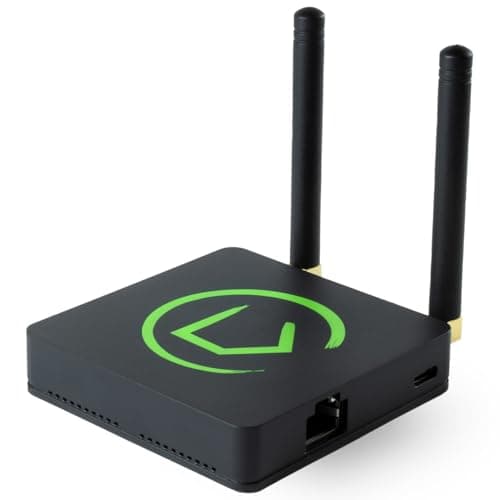
Aqara Smart Home Hub M3 for Advanced Automation, Matter Controller, Thread Border Router, Features Zigbee, Bluetooth, Wi-Fi, PoE, IR, Supports Alexa, Apple HomeKit, SmartThings, Home Assistant, IFTTT
by Aqara
X Score
:
4.8 / 5.0

Aqara Smart Home Hub M3 for Advanced Automation, Matter Controller, Thread Border Router, Features Zigbee, Bluetooth, Wi-Fi, PoE, IR, Supports Alexa, Apple HomeKit, SmartThings, Home Assistant, IFTTT

BEST PREMIUM

The Aqara M3 is a sophisticated hub designed for advanced users seeking granular control. It features Thread Border Router technology and acts as a Matter Controller, bridging older devices to new standards. The inclusion of an IR blaster adds significant value by controlling legacy appliances. With support for Apple HomeKit and Home Assistant, it offers exceptional flexibility. Power over Ethernet capability ensures a stable and reliable network connection for critical automations.

Key Specifications

Wireless Protocols
Zigbee, Thread, Matter
Platform Compatibility
Multi-Platform Support
Voice Assistant Support
HomeKit and Alexa
Local Processing
Edge Hub Local Control
Connectivity Options
WiFi and PoE
Device Capacity
254 Total Devices

Reasons to Buy

  • Built-in IR blaster
  • Thread Border Router
  • Power over Ethernet
  • Advanced Matter bridge

Reasons Not to Buy

  • Complex setup for beginners
  • Limited third-party Zigbee
#4
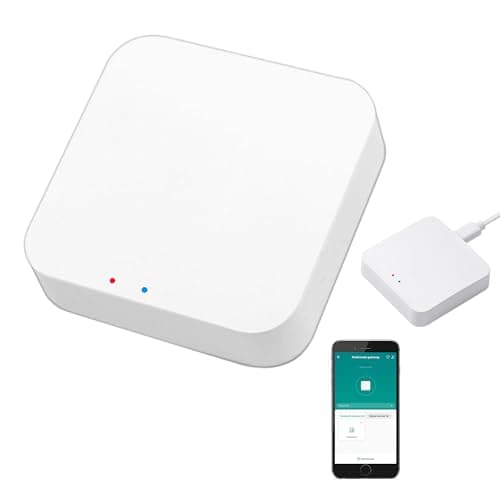
Smart Multi-mode Gateway: ZigBee 3.0 & Bluetooth & Mesh Hub, App Remote Control, Intelligent Bridge Wireless Smart Home Gateway Voice Control via Alexa/Google Home (ONLY Surport Tuya Smart Devices)
by Smart
X Score
:
4.5 / 5.0

Smart Multi-mode Gateway: ZigBee 3.0 & Bluetooth & Mesh Hub, App Remote Control, Intelligent Bridge Wireless Smart Home Gateway Voice Control via Alexa/Google Home (ONLY Surport Tuya Smart Devices)

BEST RUNNER UP

This budget-friendly gateway is an ideal choice for users invested in the Tuya ecosystem. It combines Zigbee 3.0 and Bluetooth Mesh protocols into a single compact unit, simplifying device management. The hub allows for remote control through the Smart Life app and supports voice commands via Alexa and Google. It is a practical solution for expanding a smart home network without spending a fortune, offering solid functionality for basic needs.

Key Specifications

Wireless Protocols
Zigbee 3.0, Bluetooth
Platform Compatibility
Tuya and Smart Life
Voice Assistant Support
Alexa and Google
Local Processing
Cloud-Based Processing
Connectivity Options
2.4GHz WiFi
Device Capacity
Moderate Device Limit

Reasons to Buy

  • Dual protocol support
  • Very affordable price
  • Compact design
  • Simple app integration

Reasons Not to Buy

  • Tuya devices only
  • Relies on cloud processing
#5
Hubitat Elevation C-8 Pro Smart Home Automation Hub
by Hubitat
X Score
:
4.5 / 5.0

Hubitat Elevation C-8 Pro Smart Home Automation Hub

BEST FOR PROFESSIONALS

The Hubitat Elevation C-8 Pro is a powerhouse for users who demand total control. By processing everything locally, it ensures your smart home remains functional during internet outages. It supports Matter 1.5, Zigbee 3.0, and Z-Wave 800 LR, offering impressive versatility. While the initial setup requires technical patience, the reliability and speed make it a top choice for advanced automation enthusiasts.

Key Specifications

Wireless Protocols
Matter, Z-Wave, Zigbee
Platform Compatibility
Alexa, HomeKit, Google
Voice Assistant Support
Multi-Assistant Support
Local Processing
Fully Local Processing
Connectivity Options
Ethernet and WiFi
Device Capacity
High Device Capacity

Reasons to Buy

  • Fast local processing
  • No monthly subscription fees
  • Wide protocol support
  • Works without internet

Reasons Not to Buy

  • Complex setup process
  • Pricey compared to others
#6
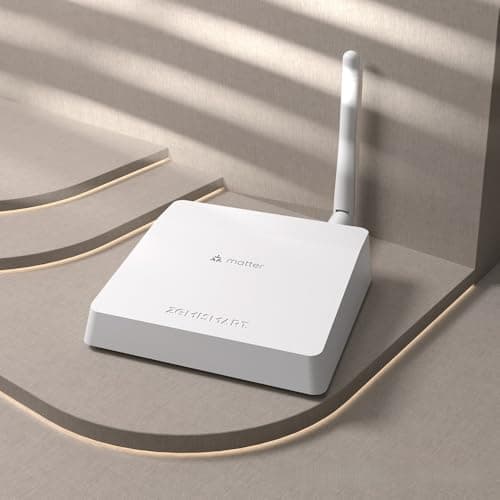
Matter Smart Home Hub M6
by Matter
X Score
:
4.3 / 5.0

Matter Smart Home Hub M6

BEST PREMIUM PICK

The M6 Hub offers a solid bridge between Zigbee and Matter protocols, making it a future-proof addition to any modern home. It handles over 125 devices, which is excellent for expanding setups. It integrates smoothly with Google Home and SmartThings. However, the lack of Alexa support might deter some users. The external antenna ensures strong signal penetration across multi-story buildings for consistent coverage.

Key Specifications

Wireless Protocols
Matter and Zigbee
Platform Compatibility
Google, SmartThings, Tuya
Voice Assistant Support
Limited Voice Support
Local Processing
Cloud Dependent Control
Connectivity Options
WiFi with Antenna
Device Capacity
Supports 125 Devices

Reasons to Buy

  • Future-proof dual protocol
  • Connects many devices
  • Strong signal range
  • Easy platform integration

Reasons Not to Buy

  • Does not support Alexa
  • Requires border router
#7
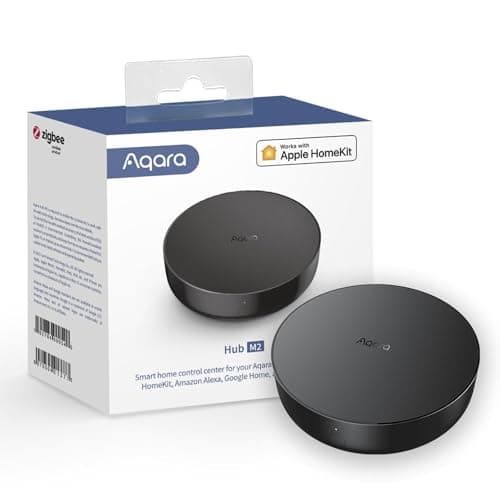
Aqara Smart Hub M2
by Aqara
X Score
:
4.3 / 5.0

Aqara Smart Hub M2

BEST FOR BEGINNERS

The Aqara Hub M2 is an affordable entry point into the smart home ecosystem. It supports major voice platforms like Alexa, Google, and HomeKit. The built-in IR control is a standout feature, allowing you to manage older appliances easily. It requires a 2.4 GHz WiFi connection and works best with Aqara sensors. The wired ethernet option provides stability that WiFi-only hubs often lack.

Key Specifications

Wireless Protocols
Zigbee 3.0 Only
Platform Compatibility
HomeKit, Alexa, Google
Voice Assistant Support
Multi-Assistant Support
Local Processing
Hybrid Local Control
Connectivity Options
Ethernet and WiFi
Device Capacity
Supports 128 Devices

Reasons to Buy

  • Built-in IR controller
  • Wired ethernet connection
  • Multi-platform support
  • Budget friendly price

Reasons Not to Buy

  • Requires Aqara devices
  • Limited to 2.4GHz WiFi
#8
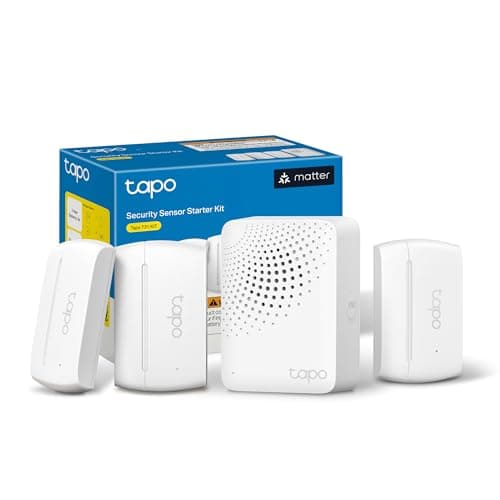
Tapo Door Sensor Starter KIT
by Tapo
X Score
:
4.3 / 5.0

Tapo Door Sensor Starter KIT

BEST BUDGET

This Tapo starter kit provides excellent value for home security beginners. It includes a hub with a built-in chime and three contact sensors. The Sub-G protocol ensures long battery life and extended range for sensors. Real-time notifications keep you informed of entry activity. It is an effortless way to start monitoring your home without a large financial commitment or complicated installation procedures.

Key Specifications

Wireless Protocols
Sub-G Protocol
Platform Compatibility
Matter Compatible Platform
Voice Assistant Support
Smart Assistant Compatible
Local Processing
Cloud Based Processing
Connectivity Options
WiFi Hub Connectivity
Device Capacity
Expandable Sensor Capacity

Reasons to Buy

  • Great value bundle
  • Long sensor battery life
  • Instant alert notifications
  • Easy installation process

Reasons Not to Buy

  • Hub required for sensors
  • Limited to Tapo ecosystem

Buying Guide

Key Features to Consider

Prioritize broad compatibility when selecting a smart home alternative to ensure seamless integration with your existing devices. Look for support for universal standards like Matter or Zigbee rather than proprietary ecosystems that limit future expandability. Local processing is another critical factor; devices that function without a constant cloud connection offer faster response times and continued operation during internet outages, significantly enhancing reliability and data privacy.

Budget Recommendations

For entry-level setups under $150, consider standalone hubs or individual smart plugs that allow gradual expansion without significant upfront investment. Mid-range options between $150 and $400 typically offer robust starter kits including a hub, sensors, and lighting controls, providing a comprehensive foundation for average-sized homes. High-end systems exceeding $400 often feature advanced local processing capabilities, professional-grade security monitoring, and extensive automation options suitable for larger properties or tech enthusiasts.

Common Pitfalls to Avoid

Avoid purchasing devices locked into restrictive proprietary ecosystems that may become obsolete or lose support. Many buyers also overlook network requirements; adding numerous smart devices can strain older routers, leading to connectivity issues. Ensure your Wi-Fi network handles the extra load or consider systems utilizing dedicated mesh protocols like Z-Wave. Finally, always check for compatibility with your preferred voice assistants to avoid frustrating integration failures.

How We Test X Smart Home Alternative

Our team has spent years researching and evaluating x smart home alternative across dozens of products available on the market today. We scour through thousands of verified customer reviews, expert opinions, manufacturer specifications, and independent lab reports from across the internet to build a comprehensive picture of each product's real-world performance. Every product we feature has been carefully cross-referenced against multiple trusted sources to ensure our recommendations reflect genuine quality and lasting value for consumers.

Our rating system is built on years of hands-on experience with x smart home alternative and closely related products. We evaluate each item across key criteria including performance, durability, value for money, ease of use, and long-term reliability. Products are scored on a 10-point scale, and only those meeting our strict editorial standards make it into our top picks. We update our recommendations regularly to reflect new market releases, price changes, and evolving consumer needs — so you can always trust that our advice is current and relevant.

Who Should Buy

Privacy-conscious homeowners

They require a local-only solution to ensure their personal data and daily habits are never uploaded to the cloud or sold to third parties.

DIY tech enthusiasts

They want the freedom to customize automations and hardware setups beyond the restrictive walled gardens of major tech brands.

Budget-aware renters

They need an affordable, portable system that does not require permanent wiring or structural changes to their temporary living space.

Senior citizens

They benefit from a simplified, offline interface that prioritizes reliability and ease of use without complex app dependencies.

Frequently Asked Questions

What are the best alternatives to X smart home systems for privacy-focused users?

For users prioritizing privacy, the best alternatives are typically local-only systems that do not rely on cloud processing. Home Assistant is the leading choice, offering free, open-source software that runs entirely on a local server (like a Raspberry Pi). Other strong options include Hubitat Elevation and OpenHAB, which keep your data within your home network and prevent it from being sent to third-party servers.

Can I switch to an alternative system without replacing all my existing smart devices?

Yes, most alternative smart home hubs are designed to bridge gaps between different brands and protocols. Platforms like Home Assistant and Hubitat support a wide range of wireless protocols (Zigbee, Z-Wave, Wi-Fi, and Matter) and integrate with major ecosystems like Philips Hue, SmartThings, and even proprietary APIs. This allows you to keep your existing sensors, bulbs, and switches while moving the 'brain' of your system to a new platform.

How does the cost of a DIY smart home alternative compare to mainstream options?

While mainstream options like Google Home or Amazon Alexa often provide subsidized hardware, alternative systems like Home Assistant or openHAB are usually free to install but require dedicated hardware (such as a Raspberry Pi or a mini PC) to run on. The initial setup cost may be slightly higher due to the hardware purchase, but you save money in the long run by avoiding subscription fees and locked-in ecosystems.

Is it difficult to set up and maintain an open-source smart home alternative?

The difficulty level varies by platform. Home Assistant has made significant strides in user-friendliness with a graphical user interface (GUI) for most configurations, though advanced automations may still require YAML coding. Hubitat is designed to be more plug-and-play for beginners. While these systems have a steeper learning curve than plug-in speakers, the active community support and extensive documentation make them accessible for the average DIY user.

What are the advantages of using a local smart home alternative over a cloud-based system?

The primary advantages are speed, reliability, and privacy. Local alternatives process commands on-site, meaning lights turn on instantly without the latency of traveling to a cloud server and back. Additionally, your smart home continues to function even if your internet connection goes down. Finally, because data isn't leaving your home, you retain full control over your personal information and daily routines.

Meet the Reporter

Alex Chen

Alex Chen

Senior Reporter

Tech enthusiast and gadget reviewer with over 10 years of experience testing the latest consumer electronics and smart devices.