Ratings represent our editorial opinion, not Amazon's. TechXFinder is reader-supported and may earn an affiliate commission. Details

How To Mirror My Macbook To My TV

Alex Chen

Alex Chen

Senior reporter

★★★★★5.0
500+ views
1 min read

Learn everything you need to know about how to mirror my macbook to my tv. Comprehensive guide with expert tips, best practices, and actionable advice.

Mirroring your MacBook to your TV allows you to display everything from your laptop screen onto a larger display—ideal for presentations, streaming media, or sharing photos and videos with family and friends. This capability transforms your living room into a personal theater or collaborative workspace without the need for additional software or complicated setups. Whether you're using AirPlay, an HDMI cable, or third-party apps, the process can be simple and efficient if you understand your options and requirements.

In this guide, you’ll learn the key methods to mirror your MacBook to a TV, including wireless and wired solutions. You'll discover compatibility requirements, setup instructions, troubleshooting tips, and best practices to ensure a smooth experience. We’ll cover everything from identifying your TV type to optimizing display settings. By the end, you’ll be able to choose the best method for your setup and confidently mirror your MacBook to your TV with ease.

Understanding MacBook-to-TV Mirroring Basics

What Is Screen Mirroring?

Screen mirroring is the process of duplicating your MacBook’s display onto another screen—in this case, your TV. This means everything you see on your laptop will appear identically on the larger screen in real time. It's different from extending your desktop, where the TV acts as a second monitor.

Mirroring is useful for watching videos, giving presentations, or demonstrating software without huddling around a small laptop screen. Modern MacBooks support both wireless (e.g., AirPlay) and wired (e.g., HDMI) mirroring. The method you choose depends on your MacBook model, TV capabilities, and desired quality.

Ensure both devices are powered on and within range (for wireless) before starting. Also, note that screen mirroring may impact your MacBook’s battery life, especially when streaming high-resolution content.

Why Mirror Your MacBook to a TV?

There are several compelling reasons to mirror your MacBook to your TV. First, it enhances the viewing experience for movies, YouTube videos, or home videos by displaying them on a larger, more immersive screen. This is perfect for casual viewing or hosting small movie nights.

Professionals benefit too—mirroring allows you to deliver presentations in meetings or classrooms using the TV as a projector alternative. Educators, remote workers, and creatives can share their screens seamlessly during collaboration sessions.

Additionally, mirroring supports gaming and app demonstrations. If you’re using creative software like Final Cut Pro or Photoshop, showing your workflow on a bigger screen helps others follow along. It also simplifies tech support, letting someone remotely view your screen for troubleshooting.

Types of TV Connections

Your TV’s connectivity options determine which mirroring method you can use. Most modern TVs support HDMI, which is essential for wired connections. Older models may have VGA or DVI ports, requiring adapters for MacBook compatibility.

Smart TVs—especially Apple TV, Samsung Smart TVs, and LG webOS models—often support wireless screen mirroring via AirPlay 2, Miracast, or proprietary protocols. Check your TV’s user manual or settings menu under 'Screen Share,' 'Smart View,' or 'AirPlay & HomeKit' to confirm support.

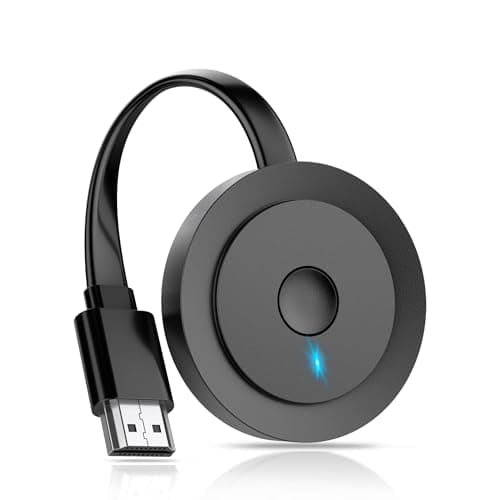
If your TV isn’t smart-enabled, you can still mirror using an external streaming device like an Apple TV box, Roku, or Chromecast. These devices plug into your TV’s HDMI port and enable wireless mirroring. Always verify that your TV or streaming device is on the same Wi-Fi network as your MacBook for wireless methods to work properly.

Checking Device Compatibility

MacBook Model and OS Requirements

Not all MacBooks support every mirroring method. For AirPlay to TV, you need a MacBook with macOS Monterey (12.0) or later. Additionally, your Mac must support AirPlay receiving or sending—most models from 2018 onward do. Check compatibility via the Apple menu > About This Mac to verify your macOS version.

For wired connections, ensure your MacBook has a video output port. Newer MacBooks use Thunderbolt 3 (USB-C) or Thunderbolt 4, which support video output. Older models may have Mini DisplayPort or HDMI out. You’ll need the correct cable or adapter to connect to your TV’s HDMI input.

If you’re using third-party apps like Reflector or AirServer, check the developer’s website for macOS compatibility. Some apps require specific hardware features like H.264 encoding support for smooth streaming.

TV and Streaming Device Support

Your TV must support either AirPlay 2 or have a compatible streaming device connected. As of 2025, AirPlay 2 is supported on select smart TVs from Samsung, LG, Sony, and Vizio. If your TV doesn’t list AirPlay in its settings, you’ll need an Apple TV box (4th gen or later) connected via HDMI.

Streaming devices like Apple TV 4K, Chromecast with Google TV, and Roku Ultra offer screen mirroring features. Apple TV supports native AirPlay from MacBooks. Chromecast uses Google Cast, which requires a Chrome browser extension for full screen mirroring.

Ensure your TV or streaming device is updated to the latest firmware. Outdated software can block AirPlay functionality or cause connection issues. Also, confirm that AirPlay or screen mirroring is enabled in the TV’s settings—sometimes it’s turned off by default for security.

Network and Wi-Fi Considerations

Wireless mirroring relies heavily on your Wi-Fi network. Both your MacBook and TV (or streaming device) must be connected to the same network. A 5 GHz Wi-Fi band is strongly recommended for smoother performance, as it offers faster speeds and less interference than 2.4 GHz.

Distance from the router, thick walls, or network congestion can degrade mirroring quality, leading to lag or dropped connections. If possible, position your MacBook and TV near the router or use a Wi-Fi extender.

For stable performance, avoid bandwidth-heavy activities like large downloads or 4K streaming while mirroring. You can also assign static IP addresses to your devices or prioritize them via Quality of Service (QoS) settings in your router. If Wi-Fi is unreliable, opt for a wired HDMI connection instead.

Wired Connection Methods

Using HDMI with the Right Cable

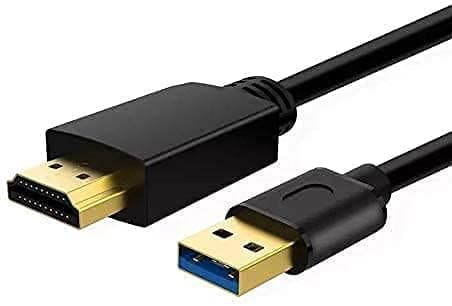
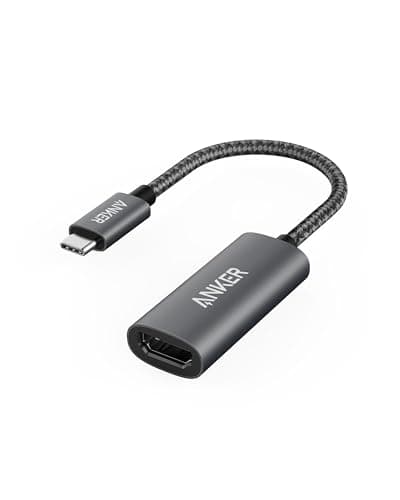
Connecting your MacBook to your TV via HDMI is one of the most reliable and high-quality methods. First, identify your MacBook’s port: most modern models use USB-C/Thunderbolt ports that support DisplayPort Alt Mode. You’ll need a USB-C to HDMI cable or a USB-C dock with HDMI output.

Plug one end into your MacBook and the other into an available HDMI input on your TV. Then, switch the TV to that input source using the remote. Your MacBook should detect the display automatically.

If no image appears, go to System Settings > Displays and click Detect Displays. You can then choose to mirror or extend the display. HDMI supports up to 4K resolution at 60Hz, depending on your cable quality and MacBook model. Use a high-speed HDMI 2.0 or 2.1 cable for best results.

Using Adapters for Older Models

If your MacBook has a Mini DisplayPort or older video output, you’ll need an adapter to connect to your TV’s HDMI input. For example, Apple’s Mini DisplayPort to HDMI adapter allows you to connect older MacBook Pros or Airs.

Ensure the adapter supports audio pass-through if you want sound on your TV. Some third-party adapters may require external power or separate audio cables. Always check compatibility before purchasing.

After connecting, go to System Settings > Displays and adjust resolution and mirroring settings. You may also need to manually select the MacBook as an audio output in System Settings > Sound. Test both video and audio before presenting or streaming to avoid last-minute issues.

Troubleshooting Wired Connection Issues

If your TV doesn’t display your MacBook screen, first verify the physical connection. Ensure the cable is securely plugged in at both ends and the TV is on the correct HDMI input.

Restart both devices and try a different HDMI port or cable. Faulty cables are a common cause of no signal. Also, update your MacBook’s macOS to the latest version, as updates often fix display driver bugs.

In Displays settings, hold the Option key and click Detect Displays to force detection. If resolution issues occur, manually select a compatible resolution like 1080p or 4K. If audio isn’t working, go to Sound settings and select your TV as the output device. Some TVs may require enabling HDMI-CEC or ARC in their settings menu.

Wireless Mirroring with AirPlay

Setting Up AirPlay to Apple TV

Using AirPlay to Apple TV is the most seamless wireless mirroring method for Mac users. First, ensure your Apple TV is set up and connected to the same Wi-Fi network as your MacBook.

On your MacBook, click the Control Center icon in the menu bar (far right), then click Screen Mirroring. A list of available devices will appear. Select your Apple TV from the list. Enter the on-screen code if prompted.

Once connected, your entire screen will appear on the TV. To stop mirroring, return to Control Center and click Stop Mirroring. You can also adjust volume from your MacBook. Note that AirPlay supports high-quality video and audio, including Dolby Atmos if your setup supports it.

Using AirPlay to AirPlay 2-Compatible TVs

Many modern smart TVs support AirPlay 2 natively. To use it, ensure AirPlay is enabled in your TV’s settings—usually under Apple AirPlay & HomeKit or Network settings.

On your MacBook, open Control Center and select Screen Mirroring. Your TV should appear in the list if it’s on the same network. Click it to connect. No additional hardware is needed.

Some TVs may require you to confirm the connection on-screen. Once connected, you can stream video, play music, or present documents. AirPlay 2 supports multi-room audio and better buffering than the original AirPlay. If the TV doesn’t appear, restart both devices and ensure software is up to date.

Optimizing AirPlay Performance

To ensure smooth AirPlay performance, minimize network congestion. Close bandwidth-heavy apps on other devices. Use a dual-band router and connect both your MacBook and TV to the 5 GHz network.

Reduce interference by keeping devices within 30 feet of the router and avoiding large obstacles. You can also prioritize AirPlay traffic in your router’s QoS settings.

Lower screen resolution temporarily if you experience lag. In System Settings > Displays, select a lower resolution while mirroring. Also, avoid playing 4K content unless your network can handle it. Finally, keep both macOS and your TV’s firmware updated—Apple frequently improves AirPlay stability and security in updates.

Alternative Wireless Solutions

Using Google Chromecast

If you own a Chromecast, you can mirror your MacBook screen using Google Chrome. First, plug the Chromecast into your TV’s HDMI port and set it up via the Google Home app.

On your MacBook, open Google Chrome, click the three-dot menu, and select Cast. Choose Cast desktop and select your Chromecast device. You can choose to cast the entire screen or a specific tab.

Note that this method relies on Chrome, so non-browser content (e.g., desktop apps) may not mirror perfectly. Audio is usually included, but latency can occur. For best results, use a strong Wi-Fi connection and keep Chrome updated.

Third-Party Apps Like Reflector or AirServer

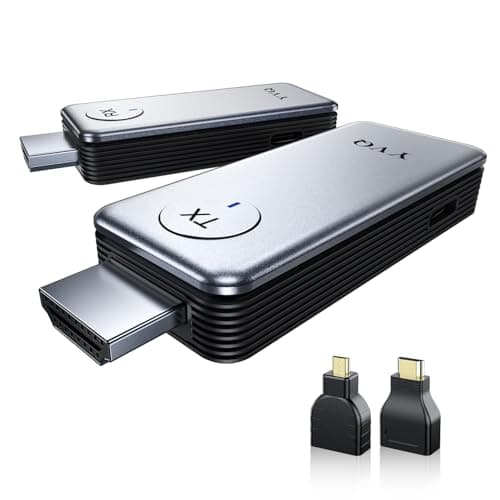
Apps like Reflector and AirServer turn your Mac or even your TV-connected computer into an AirPlay receiver. Install the app on a device connected to your TV, then mirror your MacBook to it wirelessly.

These tools support advanced features like recording mirrored sessions, multi-device mirroring, and enhanced audio routing. They work well in classrooms or meeting rooms where multiple users need to share screens.

While not free (typically $15–$20), they offer flexibility for environments without Apple TV. Ensure the receiving device meets system requirements and is on the same network. After installation, your MacBook will see the app as an AirPlay destination in the Screen Mirroring menu.

Configuring Display and Audio Settings

Adjusting Resolution and Scaling

After connecting, you may need to adjust your display resolution for optimal clarity. Go to System Settings > Displays to view available resolutions.

Choose a resolution that matches your TV’s native capability—usually 1080p or 4K. If text appears blurry, tweak the Scaling option to find a comfortable size. Some TVs perform better at specific refresh rates (e.g., 30Hz vs 60Hz).

For mirroring, ensure the 'Mirror Built-in Display' box is checked. If unchecked, your TV acts as an extended display. You can also arrange displays by dragging their representations in the settings window to match your physical setup.

Managing Audio Output

By default, audio may continue playing through your MacBook’s speakers. To route sound to your TV, go to System Settings > Sound > Output and select your TV or HDMI device.

If the TV doesn’t appear, check the physical connection and restart both devices. Some adapters or TVs may require enabling audio in their settings menu (e.g., HDMI-CEC).

You can test audio by playing a video or adjusting the volume slider. If sound cuts out during mirroring, ensure no other apps are using the audio interface. For presentations, always test audio beforehand to avoid silence during playback.

Common Mistakes to Avoid

Incorrect Input Source Selection

One of the most common issues is not selecting the correct HDMI input on your TV. After connecting via cable, use your TV remote to manually switch to the corresponding HDMI port (e.g., HDMI 1, HDMI 2).

Many users assume the TV will auto-detect the signal, but this isn’t always the case. Check the TV’s input menu and cycle through options if needed.

For wireless, ensure your TV isn’t in 'PC Mode' or 'Game Mode' if it interferes with AirPlay detection. Also, disable any 'Quick Start+' or power-saving features that may prevent the HDMI port from waking up.

Ignoring Software Updates

Failing to update your macOS, TV firmware, or streaming device software can prevent mirroring from working. Apple regularly releases updates that improve AirPlay compatibility and fix bugs.

Check for macOS updates under System Settings > General > Software Update. For Apple TV, go to Settings > System > Software Updates. Smart TVs often update automatically, but you can manually check in the settings menu.

Always install updates before troubleshooting hardware issues. A simple update can resolve connection failures, audio dropouts, or display glitches.

Overlooking Network Security Settings

Some Wi-Fi networks, especially public or enterprise ones, block multicast traffic required for AirPlay and screen mirroring. If your TV doesn’t appear in the Screen Mirroring list, the network may be restricting device discovery.

Try switching to a private, home network. If you’re on a corporate network, contact IT to enable Bonjour/Zeroconf services.

Firewall settings on your MacBook can also interfere. Go to System Settings > Network > Firewall and ensure it’s not blocking sharing services. Temporarily disabling the firewall can help diagnose connection issues.

Tips and Best Practices

Preparing for Presentations

Before presenting, test your mirroring setup in advance. Connect to the TV or Apple TV and verify both video and audio work. Close unnecessary apps to prevent notifications from appearing on-screen.

Use Do Not Disturb mode to silence alerts. You can enable it via Control Center. Also, dim your MacBook screen to save power and reduce distractions.

Keep a wired HDMI cable as a backup in case wireless fails. Bring any necessary adapters. If using AirPlay, confirm the Apple TV or smart TV is signed in and awake before starting.

Enhancing Streaming Experience

For movie nights, optimize your setup for the best viewing quality. Use a 5 GHz Wi-Fi network and position devices close to the router. Close background downloads or cloud syncs to free up bandwidth.

Play videos in full screen and adjust TV picture settings (e.g., HDR, color mode) for cinematic quality. If using HDMI, ensure your cable supports HDR and high bitrates.

Consider using external speakers or a soundbar for better audio. You can set audio output in macOS to route sound to a Bluetooth speaker or home theater system connected to the TV.

Maintaining Connection Stability

To maintain a stable connection, avoid moving your MacBook too far from the router or TV. Physical obstructions like walls or metal objects weaken Wi-Fi signals.

Restart your router periodically to clear congestion. Reboot your MacBook and TV if connections drop frequently.

For frequent users, consider setting up a dedicated Wi-Fi network for streaming devices. Use Quality of Service (QoS) to prioritize screen mirroring traffic. Wired connections remain the most reliable for mission-critical scenarios.

Conclusion

Mirroring your MacBook to your TV is a powerful feature that enhances both productivity and entertainment. Whether you're using a wired HDMI connection or wireless AirPlay, the key to success lies in understanding your device compatibility, network setup, and configuration options. By following the steps outlined in this guide, you can seamlessly extend your screen to a larger display with minimal effort.

Always check that your MacBook, TV, and network meet the necessary requirements. Prefer a 5 GHz Wi-Fi network for wireless methods, and keep all software up to date. Test both video and audio before important presentations or streaming sessions. And remember—having a backup method, like an HDMI cable, ensures you’re never left without a solution.

With the right setup, you can transform your TV into a dynamic extension of your MacBook, making it easier than ever to share, present, and enjoy content on the big screen.

Meet the Reporter

Alex Chen

Alex Chen

Senior Reporter

Tech enthusiast and gadget reviewer with over 10 years of experience testing the latest consumer electronics and smart devices.