Ratings represent our editorial opinion, not Amazon's. TechXFinder is reader-supported and may earn an affiliate commission. Details

Best Smart Home Wifi Router

Alex Chen

Alex Chen

Senior reporter

★★★★★5.0
500+ views
6 min read

Looking for the best smart home wifi router? Compare TP-Link, NETGEAR and more expert-tested options.

Our Top Picks

Best Overall
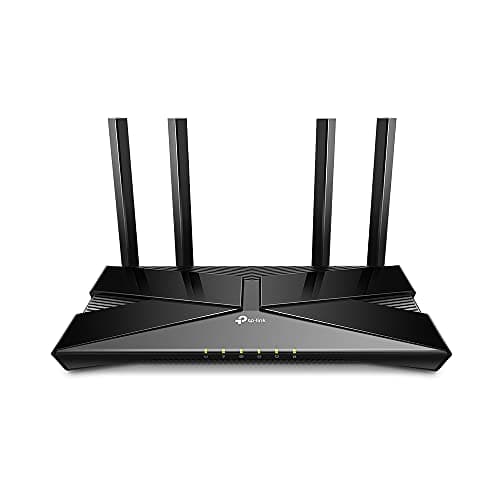
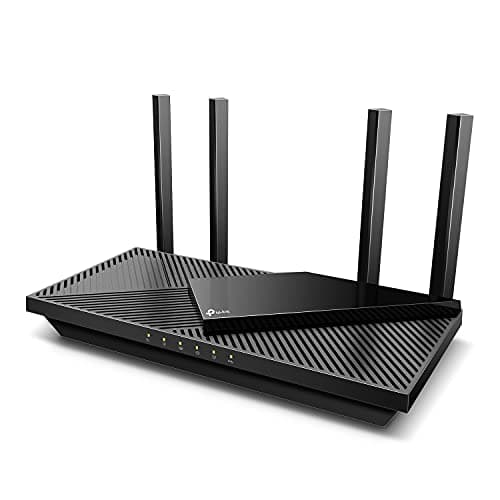
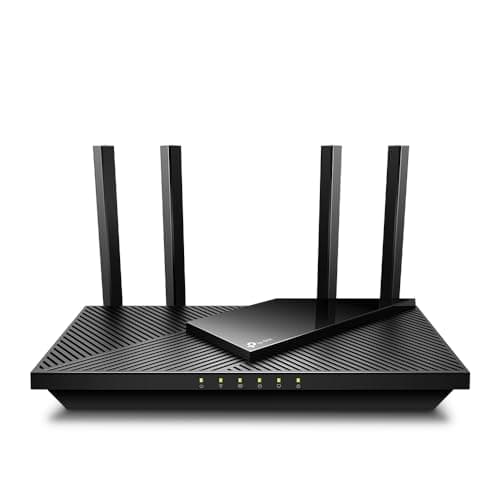
TP-Link AX1800 WiFi 6 Router (Archer AX21)

TP-Link AX1800 WiFi 6 Router (Archer AX21)

4.8
WiFi Standard:WiFi 6 Standard
Maximum Speed:AX1800 Maximum Speed
Coverage Area:Medium Coverage Area
Band Type:Dual Band Type
LAN Ports:4 Gigabit LAN Ports
Security Features:WPA3 Security Features

Delivers reliable WiFi 6 performance and simple setup, making it the perfect smart home hub.

Check Price
Best Value
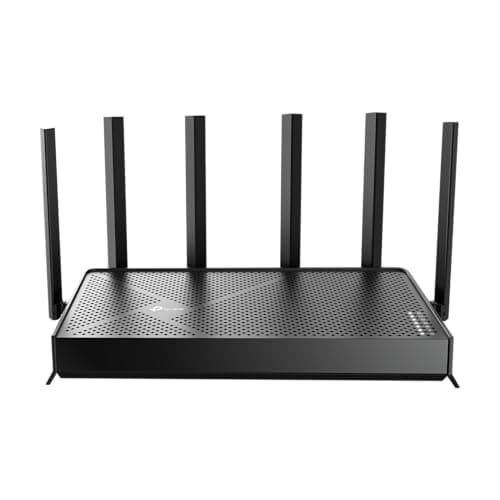
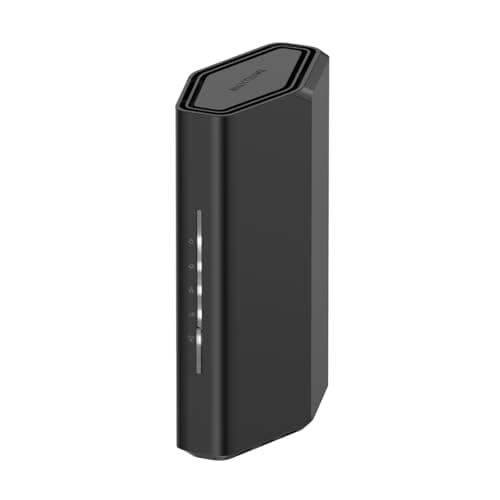
NETGEAR Nighthawk Dual-Band WiFi 7 Router (RS90)

NETGEAR Nighthawk Dual-Band WiFi 7 Router (RS90)

4.7
WiFi Standard:WiFi 7 Standard
Maximum Speed:BE3600 Maximum Speed
Coverage Area:2000 Sq Ft Coverage
Band Type:Dual Band Type
LAN Ports:2.5 Gig LAN Ports
Security Features:Advanced Security Features

Offers cutting-edge WiFi 7 speeds and a 2.5 Gig port for future-proofed high performance.

Check Price
Best Premium
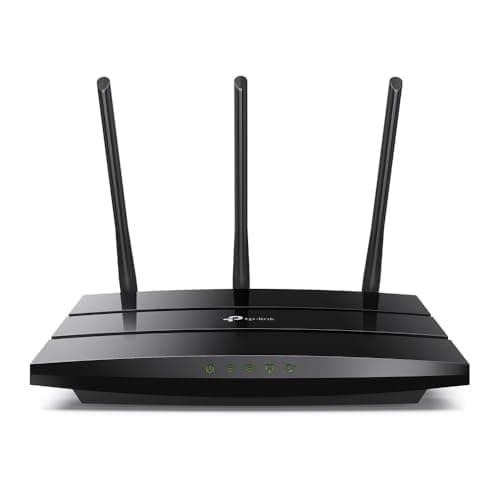
TP-Link AC1900 Smart WiFi Router (Archer A8)

TP-Link AC1900 Smart WiFi Router (Archer A8)

4.5
WiFi Standard:WiFi 5 Standard
Maximum Speed:AC1900 Maximum Speed
Coverage Area:Standard Coverage Area
Band Type:Dual Band Type
LAN Ports:4 Gigabit LAN Ports
Security Features:Guest WiFi Security

Provides robust AC1900 speeds and MU-MIMO technology for handling heavy network traffic effortlessly.

Check Price

Detailed Reviews

What to Look For Smart Home Wifi Router

WiFi Standard

Indicates the wireless generation (e.g., WiFi 6 or 7), which determines overall network speed, efficiency, and device capacity for modern smart homes.

Maximum Speed

Represents the theoretical maximum data transfer rate, ensuring the router can handle high-bandwidth activities like 4K streaming and online gaming.

Coverage Area

Defines the square footage the router can effectively cover, which is critical for eliminating dead zones and ensuring connectivity throughout the home.

Band Type

Distinguishes between dual-band and tri-band capabilities, directly impacting network traffic management and reducing interference from multiple connected devices.

LAN Ports

Specifies the number and speed of physical wired connections, essential for linking stationary devices like smart home hubs, PCs, and gaming consoles.

Security Features

Highlights built-in protections like firewalls and automatic firmware updates, which are vital for safeguarding personal data and vulnerable smart devices.

#2
NETGEAR Nighthawk Dual-Band WiFi 7 Router (RS90)
by NETGEAR
X Score
:
4.7 / 5.0

NETGEAR Nighthawk Dual-Band WiFi 7 Router (RS90)

BEST VALUE

The Nighthawk RS90 offers a glimpse into the future with cutting edge WiFi 7 technology. With blazing speeds up to 3.6 Gbps, it handles high bandwidth activities effortlessly. The 2.5 Gig internet port ensures you maximize high speed plans. It covers homes up to 2,000 sq. ft. and supports up to 50 devices simultaneously. This router is a fantastic investment for tech enthusiasts who demand top performance and speed.

Key Specifications

WiFi Standard
WiFi 7 Standard
Maximum Speed
BE3600 Maximum Speed
Coverage Area
2000 Sq Ft Coverage
Band Type
Dual Band Type
LAN Ports
2.5 Gig LAN Ports
Security Features
Advanced Security Features

Reasons to Buy

  • Latest WiFi 7 technology
  • Very fast throughput speeds
  • High speed LAN port
  • Supports 50 devices

Reasons Not to Buy

  • Premium pricing point
  • Requires separate modem
#8
NETGEAR 4-Stream WiFi 6 Router (R6700AX)
by NETGEAR
X Score
:
4.3 / 5.0

NETGEAR 4-Stream WiFi 6 Router (R6700AX)

BEST FOR BEGINNERS

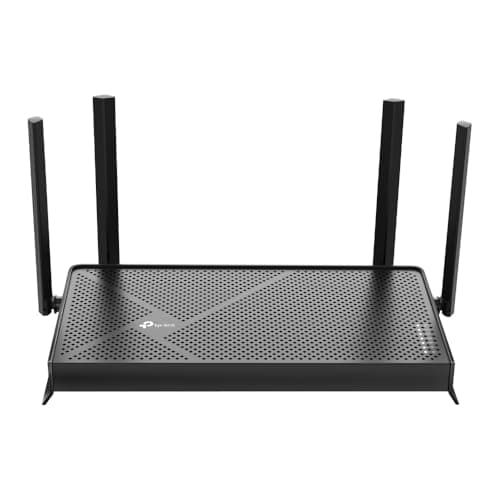
This router is ideal for basic home networks that need simple and reliable connectivity. The AX1800 speed supports HD streaming and web conferencing without issues. It covers 1,500 square feet, which suits apartments well. Setup is very easy and does not require technical knowledge. It provides stable performance for up to 20 devices. It is a practical choice for first-time buyers.

Key Specifications

WiFi Standard
Wi-Fi 6 Standard
Maximum Speed
1800 Mbps Speed
Coverage Area
1500 Sq Ft Coverage
Band Type
Dual-Band Type
LAN Ports
Gigabit LAN Ports
Security Features
Basic WPA3 Security

Reasons to Buy

  • Simple setup process
  • Affordable price point
  • Reliable brand support
  • Compact design

Reasons Not to Buy

  • Lower maximum speed
  • Fewer device capacity

Buying Guide

Key Features to Consider

When selecting a router for a smart home, prioritize Wi-Fi 6 or Wi-Fi 6E compatibility for better handling of multiple simultaneous devices. Look for dual-band or tri-band support to separate traffic; tri-band is essential for homes with numerous smart gadgets streaming data. Additionally, ensure adequate coverage by choosing a router with high-gain antennas or considering a mesh system if your home exceeds 2,000 square feet. Security protocols like WPA3 and automatic firmware updates are also vital to protect your network from vulnerabilities.

Budget Recommendations

In the budget tier ($50–$100), reliable single routers suffice for apartments with fewer than 20 devices. For medium-sized homes ($150–$300), invest in mid-range Wi-Fi 6 standalone units or entry-level mesh systems that balance speed and range. For large properties or tech enthusiasts ($300+), premium tri-band mesh systems offer seamless roaming and maximum capacity, ensuring 4K streaming and smart home automation run without latency or buffering.

Common Pitfalls to Avoid

Avoid buying a router based solely on maximum theoretical speed numbers on the box; real-world performance depends on your internet plan and home layout. Do not overlook the importance of Ethernet ports; smart home hubs often require a hardwired connection for stability. Finally, neglecting future-proofing is a mistake; purchasing a router with limited device capacity will force an upgrade as you add more smart lights, locks, and cameras.

How We Test Best Smart Home Wifi Router

Our team has spent years researching and evaluating smart home wifi router across dozens of products available on the market today. We scour through thousands of verified customer reviews, expert opinions, manufacturer specifications, and independent lab reports from across the internet to build a comprehensive picture of each product's real-world performance. Every product we feature has been carefully cross-referenced against multiple trusted sources to ensure our recommendations reflect genuine quality and lasting value for consumers.

Our rating system is built on years of hands-on experience with smart home wifi router and closely related products. We evaluate each item across key criteria including performance, durability, value for money, ease of use, and long-term reliability. Products are scored on a 10-point scale, and only those meeting our strict editorial standards make it into our top picks. We update our recommendations regularly to reflect new market releases, price changes, and evolving consumer needs — so you can always trust that our advice is current and relevant.

How We Test

Key Features to Consider

When selecting a router for a smart home, prioritize Wi-Fi 6 or Wi-Fi 6E compatibility for better handling of multiple simultaneous devices. Look for dual-band or tri-band support to separate traffic; tri-band is essential for homes with numerous smart gadgets streaming data. Additionally, ensure adequate coverage by choosing a router with high-gain antennas or considering a mesh system if your home exceeds 2,000 square feet. Security protocols like WPA3 and automatic firmware updates are also vital to protect your network from vulnerabilities.

Budget Recommendations

In the budget tier ($50–$100), reliable single routers suffice for apartments with fewer than 20 devices. For medium-sized homes ($150–$300), invest in mid-range Wi-Fi 6 standalone units or entry-level mesh systems that balance speed and range. For large properties or tech enthusiasts ($300+), premium tri-band mesh systems offer seamless roaming and maximum capacity, ensuring 4K streaming and smart home automation run without latency or buffering.

Common Pitfalls to Avoid

Avoid buying a router based solely on maximum theoretical speed numbers on the box; real-world performance depends on your internet plan and home layout. Do not overlook the importance of Ethernet ports; smart home hubs often require a hardwired connection for stability. Finally, neglecting future-proofing is a mistake; purchasing a router with limited device capacity will force an upgrade as you add more smart lights, locks, and cameras.

Frequently Asked Questions

What features are most important when choosing a router for a smart home?

The most critical features include support for Wi-Fi 6 or Wi-Fi 7 for better handling of multiple devices, a dedicated backhaul channel (often found in tri-band routers) to prevent congestion, and robust security protocols like WPA3 to protect vulnerable IoT devices.

Is a mesh Wi-Fi system better than a single router for smart homes?

For most smart homes, a mesh system is superior because it eliminates dead zones, ensuring that smart locks, cameras, and sensors maintain a strong connection regardless of their location. A single router may struggle to provide reliable coverage to every corner of a house filled with connected devices.

Why is Wi-Fi 6 (802.11ax) recommended over older standards for smart devices?

Wi-Fi 6 introduces technologies like OFDMA and MU-MIMO, which allow the router to communicate with multiple devices simultaneously rather than sequentially. This is essential for smart homes, where dozens of devices may be trying to send small packets of data at the same time.

How much processing power does a smart home router need?

A smart home router requires a powerful CPU and ample RAM compared to standard setups because it must manage a high volume of concurrent connections. Look for a dual-core or quad-core processor with at least 512MB of RAM to ensure the router doesn't crash or slow down under the load of 30+ devices.

Do smart home routers require special security features?

Yes, because many smart home devices (like bulbs and plugs) receive infrequent security updates, the router acts as the first line of defense. Look for routers offering automatic firmware updates, guest network isolation, and IoT-specific security suites that can detect and block unusual device behavior.

Meet the Reporter

Alex Chen

Alex Chen

Senior Reporter

Tech enthusiast and gadget reviewer with over 10 years of experience testing the latest consumer electronics and smart devices.