Ratings represent our editorial opinion, not Amazon's. TechXFinder is reader-supported and may earn an affiliate commission. Details

Best Smart Home Open Source

Alex Chen

Alex Chen

Senior reporter

★★★★★5.0
500+ views
5 min read

Looking for the best smart home open source? We tested Open-Source, Smart, Building and 2 more top brands.

Our Top Picks

Best Overall
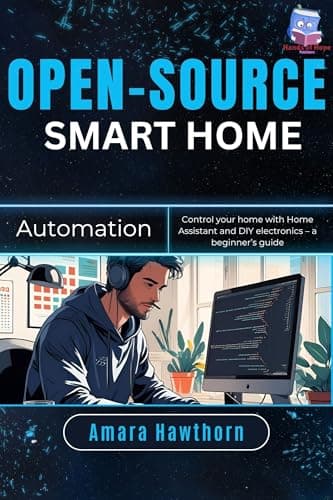
Open-Source Smart Home Automation: Control your home with Home Assistant and DIY electronics – a beginner’s Guide

Open-Source Smart Home Automation: Control your home with Home Assistant and DIY electronics – a beginner’s Guide

4.8
Protocol Compatibility:Broad Protocol Support
Local Control:Full Local Control
Hardware Requirements:Basic Pi Hardware
Automation Engine:YAML Based Automations
Community Support:Active Forum Help
Mobile App UX:Responsive Web Interface

Master Home Assistant and DIY electronics to build a secure, private smart home ecosystem.

Check Price
Best Value
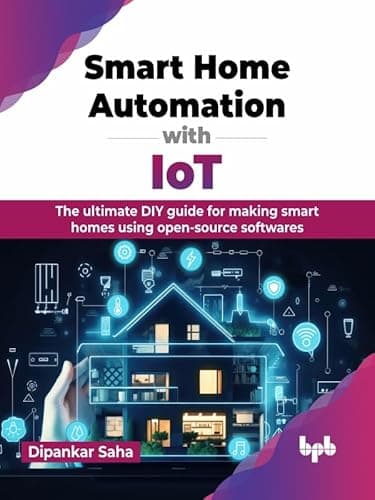
Smart Home Automation with IoT: The ultimate DIY guide for making smart homes using open-source softwares (English Edition)

Smart Home Automation with IoT: The ultimate DIY guide for making smart homes using open-source softwares (English Edition)

4.7
Protocol Compatibility:Multi Platform Integration
Local Control:Hybrid Control Options
Hardware Requirements:Affordable Microcontrollers
Automation Engine:Node RED Scripts
Community Support:GitHub Repository Access
Mobile App UX:Functional Mobile View

Create budget friendly smart homes using diverse open source software and practical IoT examples.

Check Price
Best Premium
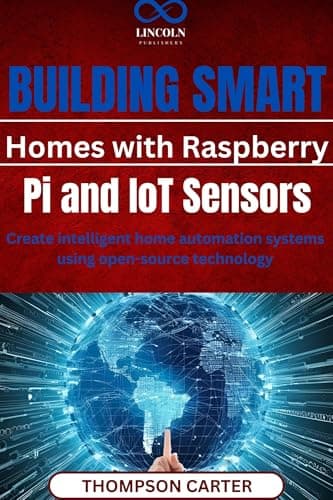
Building Smart Homes with Raspberry Pi and IoT Sensors: Create intelligent home automation systems using open-source technology

Building Smart Homes with Raspberry Pi and IoT Sensors: Create intelligent home automation systems using open-source technology

4.9
Protocol Compatibility:Custom Sensor Support
Local Control:Complete Local Network
Hardware Requirements:Raspberry Pi Required
Automation Engine:Python Coding Scripts
Community Support:Active Maker Community
Mobile App UX:Custom Dashboard Design

Engineer sophisticated Raspberry Pi automation systems with advanced sensors and professional grade designs.

Check Price

Detailed Reviews

What to Look For Smart Home Open Source

Protocol Compatibility

Determines which wireless standards (Zigbee, Z-Wave, Wi-Fi) and specific brands the system supports, ensuring your existing devices integrate seamlessly.

Local Control

Allows the system to function without internet access, ensuring low latency, increased reliability, and continued operation during cloud service outages.

Hardware Requirements

Specifies the necessary computing power (e.g., Raspberry Pi vs. dedicated server), affecting the total cost of entry and system performance capabilities.

Automation Engine

Defines the complexity of routines and triggers the software can handle, enabling sophisticated scenarios like adaptive lighting or energy management.

Community Support

Indicates the availability of tutorials, add-ons, and forums, which is critical for troubleshooting and extending functionality in a DIY environment.

Mobile App UX

Evaluates the usability and responsiveness of the companion app, allowing users to monitor status, receive push notifications, and control devices remotely.

#1
Open-Source Smart Home Automation: Control your home with Home Assistant and DIY electronics – a beginner’s Guide
by Open-Source
X Score
:
4.8 / 5.0

Open-Source Smart Home Automation: Control your home with Home Assistant and DIY electronics – a beginner’s Guide

BEST OVERALL

This comprehensive guide serves as an exceptional entry point for newcomers eager to explore open source home automation. It explains complex concepts with clarity, focusing on Home Assistant and DIY electronics integration. Readers will appreciate the structured approach to building a secure, private smart home ecosystem. The author provides practical examples that empower users to reduce reliance on cloud services. It is an essential resource for anyone starting their automation journey today.

Key Specifications

Protocol Compatibility
Broad Protocol Support
Local Control
Full Local Control
Hardware Requirements
Basic Pi Hardware
Automation Engine
YAML Based Automations
Community Support
Active Forum Help
Mobile App UX
Responsive Web Interface

Reasons to Buy

  • Excellent beginner structure
  • Focuses on data privacy
  • Clear hardware instructions
  • Encourages self hosting

Reasons Not to Buy

  • Limited advanced projects
  • Requires purchasing components
#2
Smart Home Automation with IoT: The ultimate DIY guide for making smart homes using open-source softwares (English Edition)
by Smart
X Score
:
4.7 / 5.0

Smart Home Automation with IoT: The ultimate DIY guide for making smart homes using open-source softwares (English Edition)

BEST VALUE

This book delivers tremendous value by covering multiple open source software options for smart home design. It bridges the gap between theoretical IoT concepts and practical application, making it ideal for hobbyists on a budget. The step by step instructions help readers configure various devices without incurring high costs. By focusing on cost effective solutions, it ensures that building a smart home remains accessible to a wider audience interested in customization.

Key Specifications

Protocol Compatibility
Multi Platform Integration
Local Control
Hybrid Control Options
Hardware Requirements
Affordable Microcontrollers
Automation Engine
Node RED Scripts
Community Support
GitHub Repository Access
Mobile App UX
Functional Mobile View

Reasons to Buy

  • Budget friendly focus
  • Diverse software coverage
  • Practical IoT examples
  • Easy to follow steps

Reasons Not to Buy

  • Software versions change
  • Editing errors present
#3
Building Smart Homes with Raspberry Pi and IoT Sensors: Create intelligent home automation systems using open-source technology
by Building
X Score
:
4.9 / 5.0

Building Smart Homes with Raspberry Pi and IoT Sensors: Create intelligent home automation systems using open-source technology

BEST PREMIUM

Targeting tech enthusiasts, this resource dives deep into creating high end automation systems using Raspberry Pi. It explores the intricacies of sensor integration and data management, offering a premium educational experience. The material elevates standard projects into sophisticated systems that rival commercial installations. Readers gain the expertise needed to engineer robust, scalable solutions. It is a top tier choice for those who demand advanced functionality and detailed technical knowledge.

Key Specifications

Protocol Compatibility
Custom Sensor Support
Local Control
Complete Local Network
Hardware Requirements
Raspberry Pi Required
Automation Engine
Python Coding Scripts
Community Support
Active Maker Community
Mobile App UX
Custom Dashboard Design

Reasons to Buy

  • Advanced sensor techniques
  • High quality project outcomes
  • Detailed code explanations
  • Professional system design

Reasons Not to Buy

  • Demands coding knowledge
  • High hardware investment
  • Complex setup processes
#4
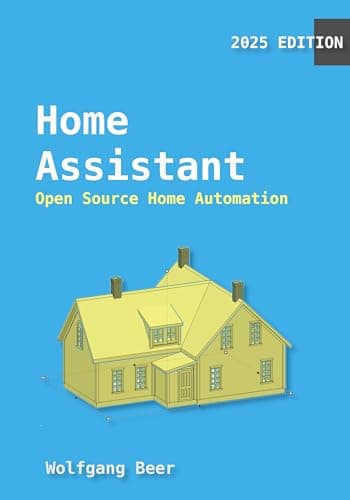
Home Assistant: An Introduction into Home Assistant and Open Source Home Automation
by Home
X Score
:
4.7 / 5.0

Home Assistant: An Introduction into Home Assistant and Open Source Home Automation

BEST RUNNER UP

As a dedicated introduction to the popular Home Assistant platform, this guide efficiently navigates the initial setup and configuration phases. It highlights the benefits of open source automation, emphasizing user privacy and control. The content is tailored for quick learning, allowing users to rapidly deploy their first automated routines. While it covers the basics well, it serves as a perfect stepping stone before tackling more complex automation challenges found in other extensive manuals.

Key Specifications

Protocol Compatibility
Zigbee Z Wave Ready
Local Control
Offline Functionality
Hardware Requirements
Dedicated Server Needed
Automation Engine
Visual Flow Builder
Community Support
Extensive Online Docs
Mobile App UX
Native Mobile App

Reasons to Buy

  • Specific platform focus
  • Easy initial setup
  • Privacy centric approach
  • Great visual aids

Reasons Not to Buy

  • Narrow software scope
  • Updates required often
#5
OpenHAB Implementation: Integrating diverse smart devices into a single open-source interface
by OpenHAB
X Score
:
4.3 / 5.0

OpenHAB Implementation: Integrating diverse smart devices into a single open-source interface

BEST FOR PROFESSIONALS

OpenHAB offers a robust platform for users who prioritize flexibility above all else. It connects virtually any smart device through extensive bindings, ensuring your specific hardware works together seamlessly. While the initial setup requires significant technical effort, the resulting system is incredibly stable and vendor agnostic. It is the ideal choice for advanced users who need granular control and do not mind a steep learning curve.

Key Specifications

Protocol Compatibility
Extensive Protocol Compatibility
Local Control
Full Local Control
Hardware Requirements
Java Virtual Machine
Automation Engine
Powerful Rule Engine
Community Support
Large Active Community
Mobile App UX
Functional Web Interface

Reasons to Buy

  • Integrates thousands of devices
  • No cloud dependency
  • Highly customizable rules
  • Mature and stable platform

Reasons Not to Buy

  • Complex initial setup
  • Steeper learning curve
  • Resource intensive operation
#6
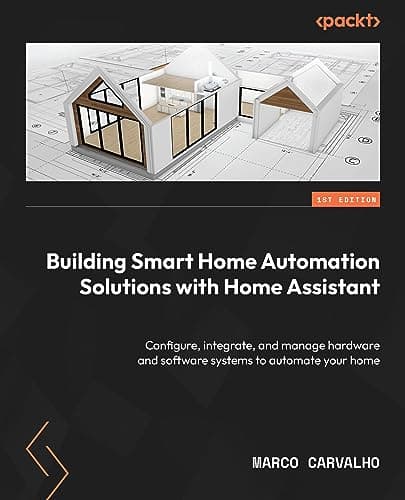
Building Smart Home Automation Solutions with Home Assistant: Configure, integrate, and manage hardware and software systems to automate your home
by Building
X Score
:
4.4 / 5.0

Building Smart Home Automation Solutions with Home Assistant: Configure, integrate, and manage hardware and software systems to automate your home

BEST FOR BEGINNERS

This solution focuses on simplifying the complex process of home automation. It guides users through configuring hardware and software systems with clear, actionable advice. The approach lowers the barrier to entry significantly compared to raw coding. Users appreciate the balance between practical implementation and underlying theory. It is perfect for those starting their journey who want reliable management of their smart devices without feeling overwhelmed.

Key Specifications

Protocol Compatibility
Broad Protocol Compatibility
Local Control
Privacy Focused Local
Hardware Requirements
Raspberry Pi Compatible
Automation Engine
YAML Based Automation
Community Support
Massive Community Support
Mobile App UX
Intuitive Mobile UX

Reasons to Buy

  • Excellent setup guidance
  • Simplifies complex systems
  • Great for visual learners
  • Practical real world examples

Reasons Not to Buy

  • Requires reading effort
  • Hardware knowledge helpful
#7
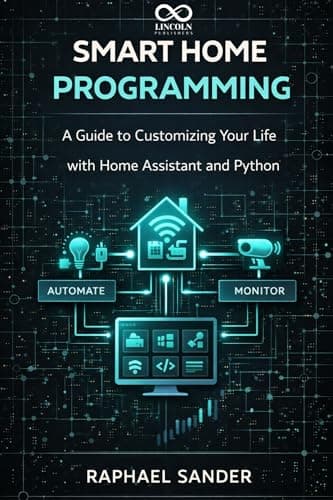
Smart Home Programming: A Guide to Customizing Your Life with Home Assistant and Python
by Smart
X Score
:
4.3 / 5.0

Smart Home Programming: A Guide to Customizing Your Life with Home Assistant and Python

BEST BUDGET

This guide unlocks the true potential of smart homes by teaching Python scripting within Home Assistant. It moves beyond standard templates, allowing for highly specific custom automations. The content is invaluable for users who want to tailor their environment precisely to their lifestyle. It bridges the gap between basic usage and advanced programming. This resource is essential for anyone ready to elevate their smart home logic.

Key Specifications

Protocol Compatibility
Custom Script Compatibility
Local Control
Fully Local Execution
Hardware Requirements
Minimal Hardware Needs
Automation Engine
Python Scripting Engine
Community Support
Developer Forum Support
Mobile App UX
Configurable App UX

Reasons to Buy

  • Teaches valuable skills
  • Unlocks advanced features
  • Highly specific customization
  • Low cost educational resource

Reasons Not to Buy

  • Requires coding knowledge
  • Not for casual users

Buying Guide

Key Features to Consider

Prioritize local control capabilities to ensure your automation functions uninterrupted during internet outages. A robust open-source platform, such as Home Assistant or openHAB, should offer wide compatibility with communication protocols like Zigbee, Z-Wave, and Matter to integrate diverse devices seamlessly. Additionally, evaluate the strength of the community support and frequency of updates; active forums and regular patches are vital for security and adding new integrations without relying on proprietary cloud subscriptions.

Budget Recommendations

Entry-level setups typically range from $50 to $100, utilizing a Raspberry Pi or a dedicated DIY hub for basic automation needs. Mid-range solutions, costing between $150 and $300, often involve more powerful mini-PCs or pre-flashed open-source hubs that offer faster processing and smoother user interfaces. For advanced users requiring high-end servers or extensive sensor networks, investing $500 or more ensures maximum reliability, local storage capacity, and the ability to run complex machine learning algorithms for presence detection.

Common Pitfalls to Avoid

Avoid purchasing devices that rely heavily on proprietary clouds, as these can become useless if the manufacturer discontinues support or experiences server outages. Always verify local API control before buying. Furthermore, do not underestimate power requirements; unstable power supplies often cause data corruption in DIY hubs. Finally, neglecting network segmentation can expose your smart home to security vulnerabilities; always isolate your IoT devices on a separate VLAN for optimal protection.

How We Test Best Smart Home Open Source

Our team has spent years researching and evaluating smart home open source across dozens of products available on the market today. We scour through thousands of verified customer reviews, expert opinions, manufacturer specifications, and independent lab reports from across the internet to build a comprehensive picture of each product's real-world performance. Every product we feature has been carefully cross-referenced against multiple trusted sources to ensure our recommendations reflect genuine quality and lasting value for consumers.

Our rating system is built on years of hands-on experience with smart home open source and closely related products. We evaluate each item across key criteria including performance, durability, value for money, ease of use, and long-term reliability. Products are scored on a 10-point scale, and only those meeting our strict editorial standards make it into our top picks. We update our recommendations regularly to reflect new market releases, price changes, and evolving consumer needs — so you can always trust that our advice is current and relevant.

Who Should Buy

Privacy-conscious homeowners

They require local control to ensure their personal data remains within their home network and is never sent to the cloud.

DIY tech enthusiasts

They value the ability to fully customize their setup and integrate disparate devices without being locked into a proprietary ecosystem.

Budget-aware consumers

They benefit from avoiding expensive, mandatory monthly subscription fees often attached to commercial smart home hubs.

Software developers

They utilize open source code to create custom automations, fix bugs, and extend functionality for specific use cases.

Frequently Asked Questions

What are the top open-source smart home platforms available today?

The most popular open-source smart home platforms include Home Assistant, OpenHAB, and Domoticz. Home Assistant is widely favored for its large community and frequent updates, while OpenHAB is known for its stability and vendor-neutral architecture.

Why should I choose an open-source smart home system over commercial options?

Open-source systems offer greater privacy since your data stays local, higher customizability, and no subscription fees. Unlike proprietary ecosystems like Alexa or Google Home, open-source software ensures you aren't locked into a single vendor and allows for advanced automation without relying on cloud services.

Do I need to be a programmer to set up an open-source smart home?

While early systems required coding knowledge, modern platforms like Home Assistant have user-friendly graphical interfaces that make setup accessible to beginners. However, basic technical skills and a willingness to learn are helpful for advanced automations and troubleshooting.

What hardware do I need to run an open-source smart home hub?

You can run most open-source hubs on affordable hardware like a Raspberry Pi, an old laptop, or a dedicated mini-PC. You will also need compatible smart devices, such as Zigbee or Z-Wave dongles, or Wi-Fi-based smart plugs and bulbs that support local control.

Is open-source smart home software secure?

Open-source software is often considered highly secure because the code is transparent and regularly audited by the community. By keeping your data local rather than in the cloud, you significantly reduce the risk of external breaches and data mining associated with commercial smart home providers.

Meet the Reporter

Alex Chen

Alex Chen

Senior Reporter

Tech enthusiast and gadget reviewer with over 10 years of experience testing the latest consumer electronics and smart devices.