Ratings represent our editorial opinion, not Amazon's. TechXFinder is reader-supported and may earn an affiliate commission. Details

Best Smart Home Configuration

Alex Chen

Alex Chen

Senior reporter

★★★★★5.0
500+ views
4 min read

Looking for the best smart home configuration? We tested Aeotec, SmartThings, Hubitat and 1 more top brands.

Our Top Picks

Best Overall
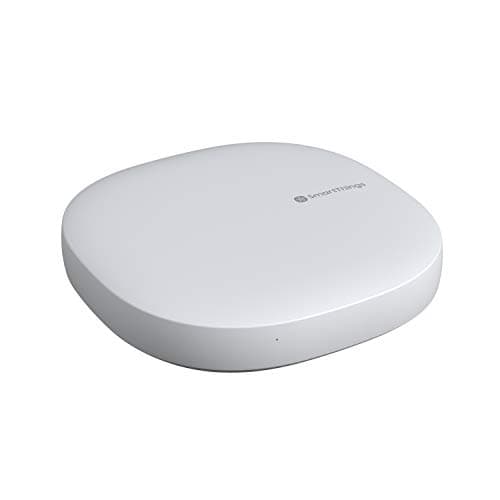
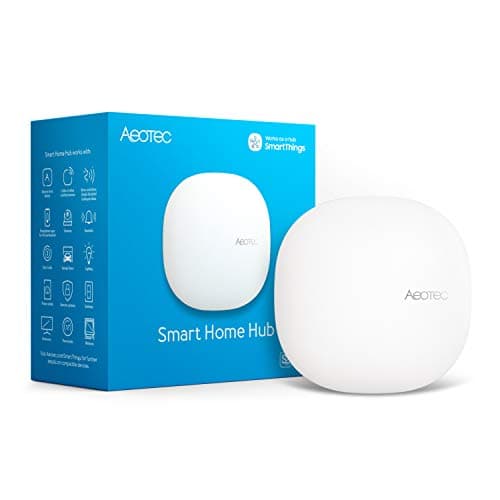
Aeotec Smart Home Hub2 - V4, Works as a SmartThings Hub, Zigbee, Matter Gateway, Compatible with Alexa, Google Assistant, WiFi (No Z-Wave)

Aeotec Smart Home Hub2 - V4, Works as a SmartThings Hub, Zigbee, Matter Gateway, Compatible with Alexa, Google Assistant, WiFi (No Z-Wave)

4.3
Wireless Protocols:Zigbee and Matter
Platform Compatibility:SmartThings Platform
Local Processing:Local Processing Supported
Connection Type:WiFi Connectivity
Matter Support:Matter Supported
Device Capacity:High Device Capacity

Seamlessly connects thousands of devices with Matter support and intuitive SmartThings integration for easy automation.

Check Price
Best Value
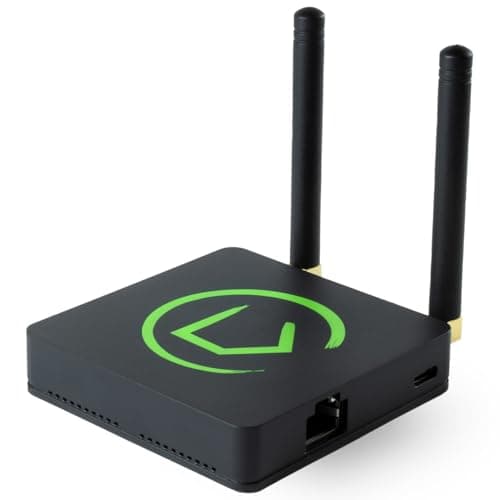
Homey Pro (2026) | Smart Hub for Home Automation – Features Z-Wave Plus, Zigbee, Wi-Fi, BLE, Infrared, Matter & Thread. Compatible with Siri, Alexa & Google Home.

Homey Pro (2026) | Smart Hub for Home Automation – Features Z-Wave Plus, Zigbee, Wi-Fi, BLE, Infrared, Matter & Thread. Compatible with Siri, Alexa & Google Home.

4.5
Wireless Protocols:Multi-protocol Support
Platform Compatibility:Works With Siri
Local Processing:Advanced Local Processing
Connection Type:WiFi and Thread
Matter Support:Full Matter Support
Device Capacity:Very High Capacity

A powerful hub with doubled RAM supporting countless protocols for advanced, personalized home automation.

Check Price
Best Premium
eufy Security eufy Smart Display E10, Smart Home Hub, 8" Control Panel, Compatible Devices, Four Views on One Screen, Instant Door Alerts, Daily Event Reports, One Tap Control

eufy Security eufy Smart Display E10, Smart Home Hub, 8" Control Panel, Compatible Devices, Four Views on One Screen, Instant Door Alerts, Daily Event Reports, One Tap Control

4.3
Wireless Protocols:WiFi and Video
Platform Compatibility:Works With Alexa
Local Processing:Local Video Storage
Connection Type:WiFi Connectivity
Matter Support:Matter Not Specified
Device Capacity:Limited Device Capacity

Simplifies home security with an intuitive 8-inch display and instant alerts without subscription fees.

Check Price

Detailed Reviews

What to Look For Smart Home Configuration

Wireless Protocols

Determines which devices connect, such as Z-Wave, Zigbee, or Matter, ensuring the hub is compatible with your chosen sensors and switches.

Platform Compatibility

Ensures the hub integrates with your preferred ecosystem like SmartThings, Alexa, or Google Home for seamless voice control and unified app management.

Local Processing

Allows automations to run on the device rather than the cloud, maintaining functionality and speed during internet outages for critical systems.

Connection Type

Specifies if the hub connects via Ethernet or Wi-Fi, offering flexibility in placement to ensure a strong, reliable network connection.

Matter Support

Future-proofs the smart home setup by supporting the new interoperability standard, allowing devices from different brands to work together seamlessly.

Device Capacity

Indicates the maximum number of devices supported, ensuring the hub can handle the scale of your current setup and future expansions.

#1
Aeotec Smart Home Hub2 - V4, Works as a SmartThings Hub, Zigbee, Matter Gateway, Compatible with Alexa, Google Assistant, WiFi (No Z-Wave)
by Aeotec
X Score
:
4.3 / 5.0

Aeotec Smart Home Hub2 - V4, Works as a SmartThings Hub, Zigbee, Matter Gateway, Compatible with Alexa, Google Assistant, WiFi (No Z-Wave)

BEST BUDGET

The Aeotec Smart Home Hub2 provides an excellent entry point into the SmartThings ecosystem. It supports the newest Matter standard and Zigbee devices efficiently. Users can connect and automate thousands of devices easily. The setup is straightforward, and the SmartThings app remains intuitive. It is a reliable choice for users building their first automated home setup. Note that it does not support Z-Wave.

Key Specifications

Wireless Protocols
Zigbee and Matter
Platform Compatibility
SmartThings Platform
Local Processing
Local Processing Supported
Connection Type
WiFi Connectivity
Matter Support
Matter Supported
Device Capacity
High Device Capacity

Reasons to Buy

  • Powered by SmartThings
  • Supports Matter standard
  • Multi-platform voice control
  • Easy setup process

Reasons Not to Buy

  • No Z-Wave support
  • Requires stable WiFi
#2
Homey Pro (2026) | Smart Hub for Home Automation – Features Z-Wave Plus, Zigbee, Wi-Fi, BLE, Infrared, Matter & Thread. Compatible with Siri, Alexa & Google Home.
by SmartThings
X Score
:
4.5 / 5.0

Homey Pro (2026) | Smart Hub for Home Automation – Features Z-Wave Plus, Zigbee, Wi-Fi, BLE, Infrared, Matter & Thread. Compatible with Siri, Alexa & Google Home.

BEST FOR PROFESSIONALS

Homey Pro 2026 is a powerhouse for advanced home automation enthusiasts. With doubled RAM, it handles complex automations effortlessly. It supports an impressive range of protocols including Z-Wave, Zigbee, and Matter. The device integrates over 50,000 products from countless brands. Its Flow editor allows for detailed customization, making it perfect for creating a highly personalized smart home experience.

Key Specifications

Wireless Protocols
Multi-protocol Support
Platform Compatibility
Works With Siri
Local Processing
Advanced Local Processing
Connection Type
WiFi and Thread
Matter Support
Full Matter Support
Device Capacity
Very High Capacity

Reasons to Buy

  • Supports many protocols
  • Doubled RAM performance
  • Integrates 50,000 devices
  • Advanced Flow editor

Reasons Not to Buy

  • Higher price point
  • Complex for beginners
#3
eufy Security eufy Smart Display E10, Smart Home Hub, 8" Control Panel, Compatible Devices, Four Views on One Screen, Instant Door Alerts, Daily Event Reports, One Tap Control
by Hubitat
X Score
:
4.3 / 5.0

eufy Security eufy Smart Display E10, Smart Home Hub, 8" Control Panel, Compatible Devices, Four Views on One Screen, Instant Door Alerts, Daily Event Reports, One Tap Control

BEST FOR BEGINNERS

The eufy Smart Display E10 offers a user-friendly interface that simplifies home management. Its 8-inch screen displays four camera views simultaneously for comprehensive monitoring. The device provides instant door alerts and daily reports without subscriptions. It is an ideal solution for users who want visual control and quick access to their security devices. Local storage ensures video playback is fast.

Key Specifications

Wireless Protocols
WiFi and Video
Platform Compatibility
Works With Alexa
Local Processing
Local Video Storage
Connection Type
WiFi Connectivity
Matter Support
Matter Not Specified
Device Capacity
Limited Device Capacity

Reasons to Buy

  • Intuitive 8-inch display
  • Four views on screen
  • No subscription required
  • Instant playback feature

Reasons Not to Buy

  • Limited smart protocol support
  • Ecosystem restricted
#4
Tapo CentralHub for Smart Home Devices – Connect up to 16 Tapo Cameras & 64 Sub-G Sensors, 16GB Built-in Storage + 2.5'' SATA Expandable Storage Option, Improves Camera AI Accuracy - H500
by Aqara
X Score
:
4.3 / 5.0

Tapo CentralHub for Smart Home Devices – Connect up to 16 Tapo Cameras & 64 Sub-G Sensors, 16GB Built-in Storage + 2.5'' SATA Expandable Storage Option, Improves Camera AI Accuracy - H500

BEST PREMIUM PICK

The Tapo CentralHub H500 centralizes security management for larger homes. It connects up to 16 cameras and 64 sensors effectively. The built-in 16GB storage is expandable via SATA, eliminating the need for cloud subscriptions. Facial recognition features add a layer of security intelligence. This hub is perfect for users prioritizing local storage and advanced camera AI capabilities.

Key Specifications

Wireless Protocols
Sub-G and WiFi
Platform Compatibility
Tapo Ecosystem
Local Processing
Local Video Storage
Connection Type
WiFi Connectivity
Matter Support
Matter Not Specified
Device Capacity
Supports 80 Devices

Reasons to Buy

  • Expandable local storage
  • Facial recognition AI
  • Centralizes camera feeds
  • No subscription fees

Reasons Not to Buy

  • Mostly for Tapo devices
  • Limited continuous recording

Buying Guide

Key Features to Consider

Prioritize ecosystem compatibility above all else; choosing a primary platform like Google Home, Amazon Alexa, or Apple HomeKit ensures seamless device integration. Look for devices supporting Matter, a new connectivity standard that guarantees cross-platform functionality. Additionally, verify robust security protocols, including two-factor authentication and local processing capabilities, to safeguard your data. Reliable connectivity through dual-band Wi-Fi or dedicated hubs is essential for a responsive, lag-free experience.

Budget Recommendations

Entry-level setups ($100–$300) should focus on a central hub and smart bulbs or a video doorbell. Mid-range configurations ($300–$800) can expand to include smart thermostats, multi-room audio, and keyless entry locks. Premium setups ($1,000+) often involve professional installation, hardwired security systems, and sophisticated automated lighting. Investing in a strong mesh network is highly recommended for mid-to-high budgets to ensure consistent coverage across all connected devices.

Common Pitfalls to Avoid

Avoid purchasing devices from obscure manufacturers that rely heavily on cloud servers, as remote server outages can render your home unresponsive. Do not overlook the importance of a robust Wi-Fi network; many connectivity issues stem from weak signals rather than the smart devices themselves. Finally, resist the urge to buy gadgets impulsively without confirming they support your chosen ecosystem, as fragmented systems lead to a disjointed and frustrating user experience.

How We Test Best Smart Home Configuration

Our team has spent years researching and evaluating smart home configuration across dozens of products available on the market today. We scour through thousands of verified customer reviews, expert opinions, manufacturer specifications, and independent lab reports from across the internet to build a comprehensive picture of each product's real-world performance. Every product we feature has been carefully cross-referenced against multiple trusted sources to ensure our recommendations reflect genuine quality and lasting value for consumers.

Our rating system is built on years of hands-on experience with smart home configuration and closely related products. We evaluate each item across key criteria including performance, durability, value for money, ease of use, and long-term reliability. Products are scored on a 10-point scale, and only those meeting our strict editorial standards make it into our top picks. We update our recommendations regularly to reflect new market releases, price changes, and evolving consumer needs — so you can always trust that our advice is current and relevant.

Who Should Buy

Seniors and individuals with limited mobility

Voice commands and automated routines allow for effortless control of lighting, locks, and appliances, enhancing safety and independence.

Frequent travelers

Remote monitoring capabilities and automated lighting schedules provide peace of mind by securing the home and simulating occupancy while away.

Eco-conscious homeowners

Smart thermostats and automated lighting systems optimize energy usage based on occupancy and habits, significantly reducing utility bills and environmental impact.

Busy parents

Smart cameras, doorbell alerts, and automated locks help manage household security and monitor children's activities without constant manual supervision.

Frequently Asked Questions

Which smart home platform is best for beginners?

For beginners, Amazon Alexa and Google Home are widely considered the best starting points due to their extensive compatibility, intuitive apps, and affordable hardware. Apple HomeKit is excellent if your household is already deep in the Apple ecosystem, offering superior privacy and seamless integration with iOS devices.

Should I choose Wi-Fi, Zigbee, or Z-Wave devices?

Wi-Fi devices are easy to set up but can congest your router if you have many devices. Zigbee and Z-Wave use dedicated mesh networks that don't clog your Wi-Fi and offer better range and stability. For a robust configuration, use a hub (like Hubitat or SmartThings) to manage Zigbee or Z-Wave devices, reserving Wi-Fi for high-bandwidth items like cameras.

What is the most important device for a smart home configuration?

A central smart hub is often the most critical component for a sophisticated setup. While you can use voice assistants, a dedicated hub allows for local processing, faster automations, and the ability to connect devices across different protocols (Zigbee, Z-Wave, Wi-Fi) into a single unified system.

How can I ensure my smart home remains functional during an internet outage?

To ensure local control, prioritize hardware that supports 'local processing.' Look for hubs like Home Assistant, Hubitat, or HomeKit, which can execute automations and control lights locally without needing to communicate with the cloud. Avoid cloud-dependent smart locks and security systems if offline reliability is a priority.

How do I plan a smart home configuration to avoid 'gadget clutter'?

Focus on interoperability and standardization rather than buying miscellaneous gadgets. Stick to one primary voice assistant and look for devices certified under the 'Matter' standard, which ensures cross-platform compatibility. Start with high-impact fundamentals—like lighting and a smart thermostat—before expanding to niche devices like smart blinds or coffee makers.

Meet the Reporter

Alex Chen

Alex Chen

Senior Reporter

Tech enthusiast and gadget reviewer with over 10 years of experience testing the latest consumer electronics and smart devices.