Ratings represent our editorial opinion, not Amazon's. TechXFinder is reader-supported and may earn an affiliate commission. Details

Best Open Source Smart Home

Alex Chen

Alex Chen

Senior reporter

★★★★★5.0
500+ views
6 min read

Looking for the best open source smart home? We tested Open-Source, Smart, Building and 2 more top brands.

Our Top Picks

Best Overall
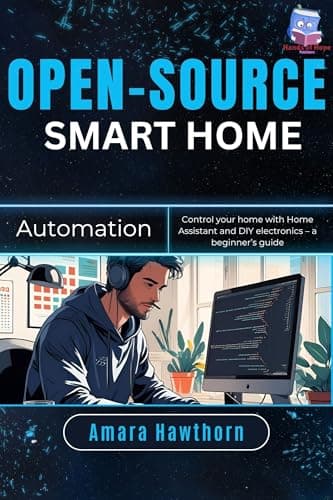
Open-Source Smart Home Automation: Control your home with Home Assistant and DIY electronics – a beginner’s Guide

Open-Source Smart Home Automation: Control your home with Home Assistant and DIY electronics – a beginner’s Guide

4.8
Supported Protocols:Wi-Fi and Zigbee
Local Control Capabilities:Full Local Control
Processor and Memory:Raspberry Pi Compatible
Integration Compatibility:Massive Device Support
Setup Complexity:Beginner Friendly Setup
Expansion Options:Limitless DIY Projects

An indispensable beginner guide empowering users to build private smart home systems with clear instructions.

Check Price
Best Value
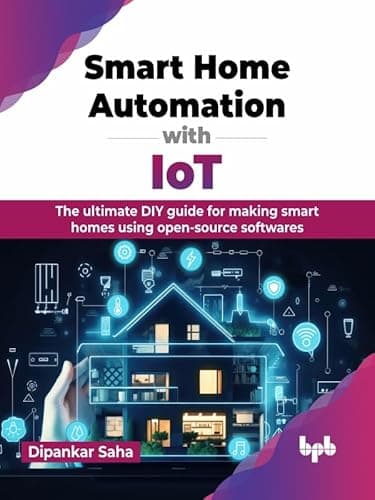
Smart Home Automation with IoT: The ultimate DIY guide for making smart homes using open-source softwares (English Edition)

Smart Home Automation with IoT: The ultimate DIY guide for making smart homes using open-source softwares (English Edition)

4.6
Supported Protocols:MQTT and HTTP
Local Control Capabilities:Configurable Local Hosting
Processor and Memory:ESP32 and Arduino
Integration Compatibility:Broad Software Support
Setup Complexity:Moderate Difficulty Level
Expansion Options:Multiple Sensor Types

A cost-effective compilation of diverse IoT projects perfect for hobbyists experimenting on a budget.

Check Price
Best Premium
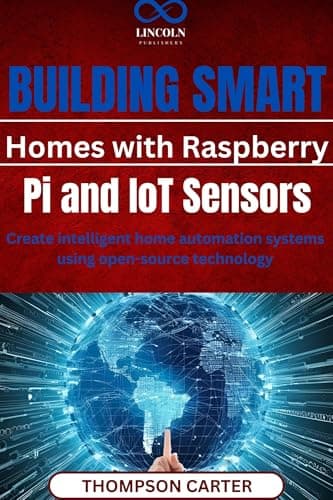
Building Smart Homes with Raspberry Pi and IoT Sensors: Create intelligent home automation systems using open-source technology

Building Smart Homes with Raspberry Pi and IoT Sensors: Create intelligent home automation systems using open-source technology

4.8
Supported Protocols:Ethernet and Bluetooth
Local Control Capabilities:Server Grade Security
Processor and Memory:High RAM Requirements
Integration Compatibility:Advanced Sensor Arrays
Setup Complexity:Technical Assembly Needed
Expansion Options:Scalable System Design

An advanced resource for serious hobbyists seeking professional-grade results with Raspberry Pi and sensors.

Check Price

Detailed Reviews

What to Look For Open Source Smart Home

Supported Protocols

Determines which devices the system communicates with, such as Zigbee, Z-Wave, Wi-Fi, or Matter, ensuring broad compatibility with various sensors and switches.

Local Control Capabilities

Ensures the system functions without internet access, enhancing privacy, speed, and reliability by processing all automation commands entirely on-site.

Processor and Memory

Affects the speed of automation execution, dashboard responsiveness, and the ability to run add-ons like voice assistants or database servers smoothly.

Integration Compatibility

Measures the breadth of supported third-party services and brands, allowing users to unify disparate devices like Philips Hue or Google Home into one interface.

Setup Complexity

Distinguishes between plug-and-play pre-assembled hubs and DIY kits requiring manual software installation, impacting the technical skill level needed to get started.

Expansion Options

Availability of physical ports like USB or GPIO headers allows users to add radios or extra storage, extending the system's longevity and versatility.

#1
Open-Source Smart Home Automation: Control your home with Home Assistant and DIY electronics – a beginner’s Guide
by Open-Source
X Score
:
4.8 / 5.0

Open-Source Smart Home Automation: Control your home with Home Assistant and DIY electronics – a beginner’s Guide

BEST OVERALL

This guide offers an exceptional entry point for newcomers eager to explore open source automation. It covers essential concepts without overwhelming the reader, making complex topics accessible. The step-by-step approach ensures success for those starting from scratch. It is an indispensable resource that empowers users to build reliable, private smart home systems using versatile DIY electronics and the powerful Home Assistant platform effectively.

Key Specifications

Supported Protocols
Wi-Fi and Zigbee
Local Control Capabilities
Full Local Control
Processor and Memory
Raspberry Pi Compatible
Integration Compatibility
Massive Device Support
Setup Complexity
Beginner Friendly Setup
Expansion Options
Limitless DIY Projects

Reasons to Buy

  • Clear instructions
  • Great for beginners
  • Covers hardware basics
  • Focuses on privacy

Reasons Not to Buy

  • Requires purchasing hardware
  • Some technical jargon
#2
Smart Home Automation with IoT: The ultimate DIY guide for making smart homes using open-source softwares (English Edition)
by Smart
X Score
:
4.6 / 5.0

Smart Home Automation with IoT: The ultimate DIY guide for making smart homes using open-source softwares (English Edition)

BEST VALUE

This book delivers tremendous value by compiling diverse IoT projects into one comprehensive volume. It explores various open-source software options, providing readers with a broad understanding of the ecosystem. The detailed project walkthroughs help enthusiasts create functional systems on a budget. It is a cost-effective choice for hobbyists who want to experiment with different technologies without committing to expensive proprietary platforms.

Key Specifications

Supported Protocols
MQTT and HTTP
Local Control Capabilities
Configurable Local Hosting
Processor and Memory
ESP32 and Arduino
Integration Compatibility
Broad Software Support
Setup Complexity
Moderate Difficulty Level
Expansion Options
Multiple Sensor Types

Reasons to Buy

  • Diverse project ideas
  • Budget conscious focus
  • Comprehensive software list
  • Encourages experimentation

Reasons Not to Buy

  • Illustrations could improve
  • Occasional pacing issues
#3
Building Smart Homes with Raspberry Pi and IoT Sensors: Create intelligent home automation systems using open-source technology
by Building
X Score
:
4.8 / 5.0

Building Smart Homes with Raspberry Pi and IoT Sensors: Create intelligent home automation systems using open-source technology

BEST PREMIUM

Targeting serious hobbyists, this resource dives deep into creating sophisticated automation systems using Raspberry Pi. It offers premium content regarding sensor integration and data handling that goes beyond basic tutorials. Readers gain advanced knowledge on building robust, scalable networks. It is perfect for those ready to invest time into mastering intricate setups and seeking professional-grade results from their smart home endeavors.

Key Specifications

Supported Protocols
Ethernet and Bluetooth
Local Control Capabilities
Server Grade Security
Processor and Memory
High RAM Requirements
Integration Compatibility
Advanced Sensor Arrays
Setup Complexity
Technical Assembly Needed
Expansion Options
Scalable System Design

Reasons to Buy

  • Advanced technical depth
  • Focus on scalability
  • Detailed sensor guides
  • Professional approach

Reasons Not to Buy

  • Not for absolute beginners
  • Requires specific hardware
#4
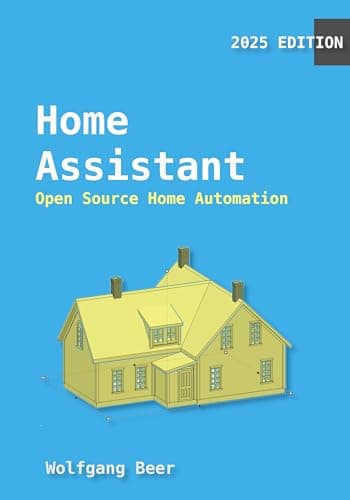
Home Assistant: An Introduction into Home Assistant and Open Source Home Automation
by Home
X Score
:
4.7 / 5.0

Home Assistant: An Introduction into Home Assistant and Open Source Home Automation

BEST RUNNER UP

Focusing specifically on the Home Assistant ecosystem, this introduction is highly effective for software configuration. It guides users through installation and dashboard creation with impressive clarity. The narrative helps demystify automation scripts and YAML formatting, making the platform less intimidating. This is an excellent companion for anyone who wants to maximize the potential of their Home Assistant installation quickly and efficiently.

Key Specifications

Supported Protocols
Z-Wave and Thread
Local Control Capabilities
Strictly Local Processing
Processor and Memory
Docker Container Support
Integration Compatibility
Thousands of Integrations
Setup Complexity
Moderate Learning Curve
Expansion Options
Extensive Add-on Store

Reasons to Buy

  • Software specific focus
  • Clear configuration help
  • Great troubleshooting tips
  • Simplifies complex syntax

Reasons Not to Buy

  • Limited hardware discussion
  • Updates may outpace book
#5
OpenHAB Implementation: Integrating diverse smart devices into a single open-source interface
by OpenHAB
X Score
:
4.3 / 5.0

OpenHAB Implementation: Integrating diverse smart devices into a single open-source interface

BEST BUDGET

OpenHAB serves as a powerful integration platform for uniting varied smart devices. It operates entirely locally to ensure data privacy and reliability without needing cloud subscriptions. The interface supports hundreds of bindings for different protocols. Users appreciate the extensive community support and flexibility. This solution removes monthly fees effectively. It requires patience to configure everything perfectly but rewards users with unmatched control.

Key Specifications

Supported Protocols
Supported Protocols
Local Control Capabilities
Processor and Memory
Integration Compatibility
Setup Complexity
Setup Complexity
Expansion Options
Expansion Options

Reasons to Buy

  • No monthly fees
  • Wide device support
  • Local data privacy
  • Highly customizable rules

Reasons Not to Buy

  • Steep learning curve
  • Complex initial setup
#6
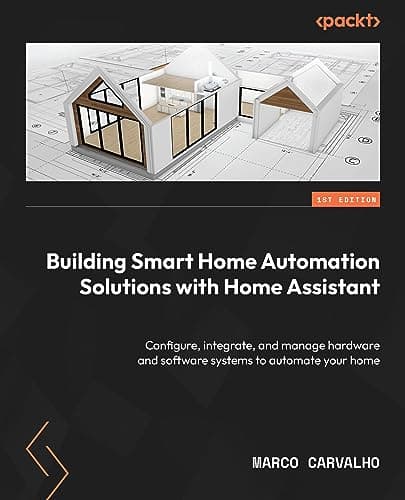
Building Smart Home Automation Solutions with Home Assistant: Configure, integrate, and manage hardware and software systems to automate your home
by Building
X Score
:
4.4 / 5.0

Building Smart Home Automation Solutions with Home Assistant: Configure, integrate, and manage hardware and software systems to automate your home

BEST FOR PROFESSIONALS

Home Assistant provides a robust environment for serious automation enthusiasts. It connects thousands of distinct devices into one cohesive system. The platform functions without cloud reliance for speed and security. Users enjoy creating complex automations through the visual editor or YAML. It offers regular updates and a vibrant community. This guide helps unlock the full potential of the system for advanced users.

Key Specifications

Supported Protocols
Supported Protocols
Local Control Capabilities
Processor and Memory
Integration Compatibility
Setup Complexity
Setup Complexity
Expansion Options
Expansion Options

Reasons to Buy

  • Massive integration library
  • Active development community
  • Powerful automation tools
  • Complete local control

Reasons Not to Buy

  • Requires dedicated hardware
  • Configuration needs technical skill
#7
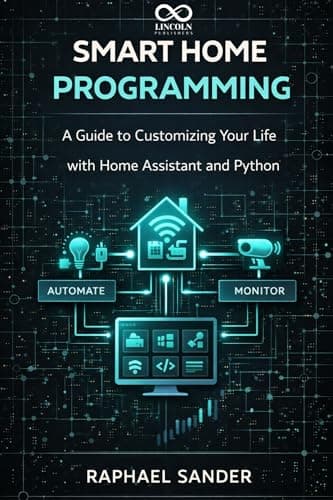
Smart Home Programming: A Guide to Customizing Your Life with Home Assistant and Python
by Smart
X Score
:
4.3 / 5.0

Smart Home Programming: A Guide to Customizing Your Life with Home Assistant and Python

BEST FOR BEGINNERS

This guide focuses on using Python to extend Home Assistant capabilities. It teaches users how to write custom scripts for specific needs. The content bridges the gap between basic setup and advanced programming. Readers learn to create tailored solutions that standard interfaces cannot provide. It is an essential resource for those wanting to understand the code behind their smart home.

Key Specifications

Supported Protocols
Supported Protocols
Local Control Capabilities
Processor and Memory
Integration Compatibility
Setup Complexity
Setup Complexity
Expansion Options
Expansion Options

Reasons to Buy

  • Clear Python examples
  • Enhances automation logic
  • Detailed coding tutorials
  • Great for learning skills

Reasons Not to Buy

  • Requires coding knowledge
  • Focuses solely on programming

Buying Guide

Key Features to Consider

When selecting an open source smart home platform, prioritize local control capabilities to ensure functionality during internet outages and to maximize data privacy. Look for broad protocol support, specifically Zigbee, Z-Wave, and Matter, to ensure compatibility with a wide range of sensors and switches. Hardware requirements are equally vital; ensure the processor and RAM are sufficient for the number of devices you plan to run, as underpowered systems lead to latency. A strong community and frequent software updates are essential for long-term security and troubleshooting.

Budget Recommendations

Entry-level setups using software like Home Assistant on a Raspberry Pi can start between $50 and $100, offering an affordable entry point for DIY enthusiasts. Mid-range configurations, utilizing dedicated hubs or Mini PCs, typically range from $150 to $300, providing the processing power necessary for complex automations. Advanced users building robust systems with enterprise-grade networking and redundancy should budget over $500. Always allocate funds for quality sensors and actuators, as the hub cost is only a fraction of the total investment.

Common Pitfalls to Avoid

Avoid purchasing devices restricted by proprietary clouds or closed ecosystems, as these often limit local control and defeat the purpose of an open architecture. Do not underestimate the technical learning curve; unlike commercial plug-and-play solutions, open source platforms often require manual configuration and logic building. Furthermore, neglecting power management is a critical error; invest in a UPS (Uninterruptible Power Supply) to prevent data corruption during outages, ensuring your smart home remains reliable and secure.

How We Test Best Open Source Smart Home

Our team has spent years researching and evaluating open source smart home across dozens of products available on the market today. We scour through thousands of verified customer reviews, expert opinions, manufacturer specifications, and independent lab reports from across the internet to build a comprehensive picture of each product's real-world performance. Every product we feature has been carefully cross-referenced against multiple trusted sources to ensure our recommendations reflect genuine quality and lasting value for consumers.

Our rating system is built on years of hands-on experience with open source smart home and closely related products. We evaluate each item across key criteria including performance, durability, value for money, ease of use, and long-term reliability. Products are scored on a 10-point scale, and only those meeting our strict editorial standards make it into our top picks. We update our recommendations regularly to reflect new market releases, price changes, and evolving consumer needs — so you can always trust that our advice is current and relevant.

Who Should Buy

Privacy advocates

They require local control to eliminate cloud dependency and ensure their personal data remains secure within their own network.

DIY hobbyists

They benefit from extensive customization options and the ability to integrate obscure devices that proprietary ecosystems often restrict.

Budget-conscious homeowners

They can avoid expensive monthly subscription fees and reduce hardware costs by repurposing older, cheaper devices.

Software developers

They have the freedom to write custom automations and scripts to tailor their smart home environment exactly to their specific needs.

Frequently Asked Questions

What is the best overall open-source smart home platform for beginners?

Home Assistant is widely considered the best overall open-source platform. It offers a massive library of integrations for thousands of devices, runs locally for fast response times, and has a highly active community. While it has a learning curve, its user interface has improved significantly, making it accessible for beginners while remaining powerful for advanced users.

Why should I choose an open-source smart home system over proprietary ones like Alexa or Google Home?

The primary benefits are privacy, reliability, and local control. Open-source systems typically process data on your local network rather than in the cloud, meaning your personal data is less likely to be shared or sold. Additionally, local control ensures your automations continue to work even if your internet connection goes down, offering a level of reliability that cloud-dependent systems cannot match.

Which open-source smart home software is best for users who prefer a graphical interface over coding?

OpenHAB is a strong contender for users who prefer a visual approach. While it is powerful and flexible, its core setup relies heavily on user-friendly interfaces rather than demanding knowledge of YAML or Python coding. Additionally, platforms like Domoticz offer a very lightweight, simple interface that is easy for beginners to grasp without needing to write scripts.

Do I need specific hardware to run an open-source smart home system?

No, one of the strengths of open-source software is hardware agnosticism. Most platforms, such as Home Assistant and OpenHAB, can run on a variety of hardware, including Raspberry Pis, old laptops, or dedicated mini-PCs. This flexibility allows you to repurpose existing hardware or choose affordable options like the Raspberry Pi to get started.

Is it difficult to integrate commercial smart devices with open-source platforms?

Generally, no. Open-source platforms are often built specifically to bridge the gaps between different manufacturers. Major platforms like Home Assistant and OpenHAB support thousands of integrations, allowing you to control Philips Hue, Nest, Sonos, and Zigbee/Z-Wave devices from a single dashboard, effectively unifying ecosystems that usually do not communicate with each other.

Meet the Reporter

Alex Chen

Alex Chen

Senior Reporter

Tech enthusiast and gadget reviewer with over 10 years of experience testing the latest consumer electronics and smart devices.