Ratings represent our editorial opinion, not Amazon's. TechXFinder is reader-supported and may earn an affiliate commission. Details

Best Wifi Router For Home

Alex Chen

Alex Chen

Senior reporter

★★★★★5.0
500+ views
6 min read

Looking for the best wifi router for home? Compare TP-Link, NETGEAR and more expert-tested options.

Our Top Picks

Best Overall
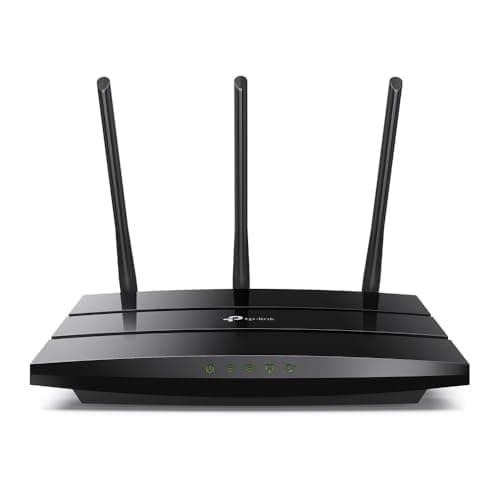
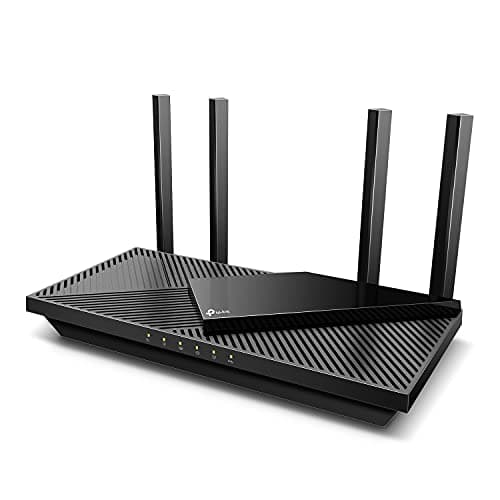
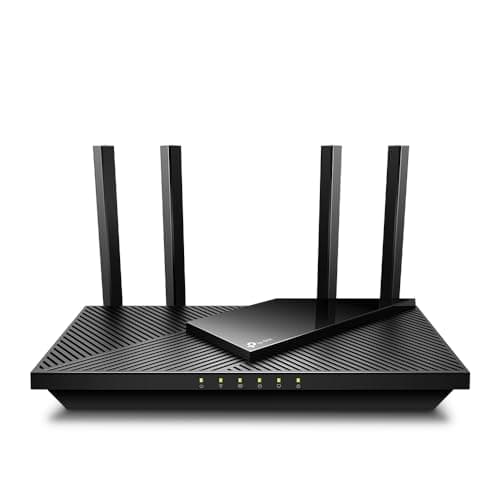
TP-Link AX1800 WiFi 6 Router (Archer AX21)

TP-Link AX1800 WiFi 6 Router (Archer AX21)

4.8
WiFi Standard:Wi-Fi 6 Standard
Speed Rating:AX1800 Speed
Coverage Range:Medium Home Coverage
Band Type:Dual Band
LAN Ports:Gigabit Ports
Security Protocols:WPA3 Security

Delivers reliable Wi-Fi 6 speeds and easy setup at an affordable price for modern homes.

Check Price
Best Value
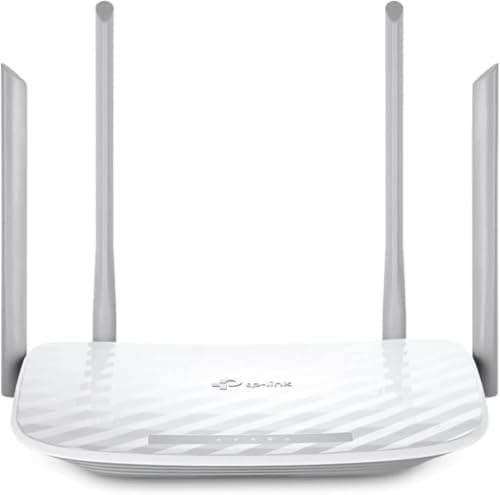
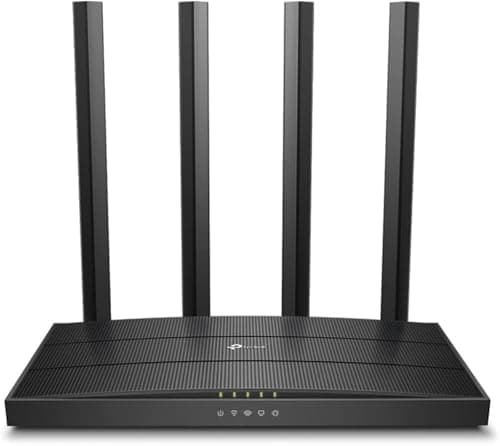
TP-Link AC1200 Gigabit WiFi Router (Archer A6)

TP-Link AC1200 Gigabit WiFi Router (Archer A6)

4.6
WiFi Standard:Wi-Fi 5 Standard
Speed Rating:AC1200 Speed
Coverage Range:Standard Home Range
Band Type:Dual Band
LAN Ports:Gigabit LAN Ports
Security Protocols:WPA2 Security

Offers incredible wireless coverage and gigabit speeds without breaking the bank for budget shoppers.

Check Price
Best Premium
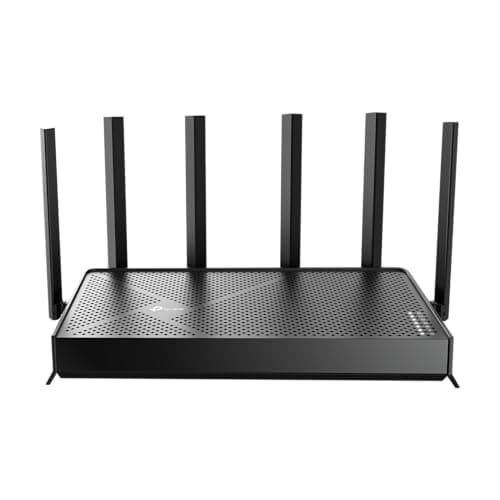
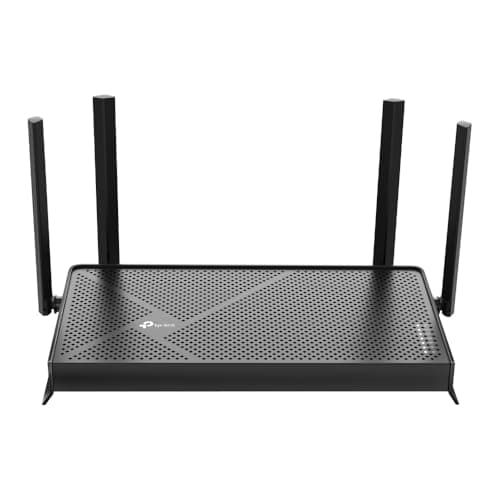
TP-Link Dual-Band BE3600 Wi-Fi 7 Router Archer BE230

TP-Link Dual-Band BE3600 Wi-Fi 7 Router Archer BE230

4.9
WiFi Standard:Wi-Fi 7 Standard
Speed Rating:BE3600 Speed
Coverage Range:Large Home Coverage
Band Type:Dual Band
LAN Ports:Multi-Gig Ports
Security Protocols:HomeShield Security

Unleashes blazing fast Wi-Fi 7 speeds and multi-gig ports for ultimate gaming performance.

Check Price

Detailed Reviews

What to Look For Wifi Router For Home

WiFi Standard

Indicates the wireless generation (e.g., WiFi 6 or WiFi 7), determining data transfer speeds, network efficiency, and compatibility with modern devices.

Speed Rating

Represents the maximum combined wireless bandwidth (e.g., AX1800 or AX3000), directly influencing download speeds and the ability to support high-bandwidth activities.

Coverage Range

Specifies the effective signal range, ensuring the router can provide stable internet connectivity to all rooms and corners of a specific home size.

Band Type

Differentiates between dual-band and tri-band routers, affecting network congestion management and the ability to dedicate specific frequencies to gaming or streaming.

LAN Ports

Refers to the number and speed of wired Gigabit Ethernet ports available, essential for connecting stationary devices like PCs and smart TVs for stable speeds.

Security Protocols

Highlights built-in cybersecurity features and the latest encryption standards like WPA3, protecting the home network from unauthorized access and digital threats.

#4
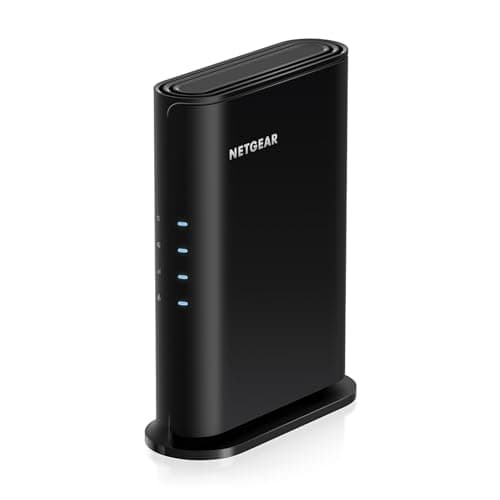
NETGEAR 4-Stream WiFi 6 Router (R6700AX)
by NETGEAR
X Score
:
4.7 / 5.0

NETGEAR 4-Stream WiFi 6 Router (R6700AX)

BEST RUNNER UP

The NETGEAR R6700AX is a dependable router that covers up to 1500 square feet with strong signal strength. It supports up to 20 devices, making it great for families with many connected gadgets. The AX1800 speed ensures smooth streaming and web conferencing without buffering issues. Its backward compatibility allows older devices to connect without issues. This model is a reliable alternative for users who trust the NETGEAR brand.

Key Specifications

WiFi Standard
Wi-Fi 6 Standard
Speed Rating
AX1800 Speed
Coverage Range
1500 Sq Ft Range
Band Type
Dual Band
LAN Ports
Gigabit Ports
Security Protocols
WPA3 Security

Reasons to Buy

  • Covers 1500 sq ft
  • Supports 20 devices
  • Reliable brand reputation
  • Easy app management

Reasons Not to Buy

  • Separate modem required
  • Design feels basic

Buying Guide

Key Features to Consider

Prioritize the Wi-Fi standard; look for Wi-Fi 6 or 6E for better speed and capacity, especially in homes with multiple connected devices. Dual-band functionality is essential, but tri-band routers offer superior performance by dedicating a separate band for gaming or streaming. Additionally, ensure adequate coverage by matching the router's square-footage rating to your home size, and consider mesh systems for multi-story layouts where dead zones are common.

Budget Recommendations

For basic browsing and small apartments, a budget of $50 to $100 typically secures a reliable dual-band router sufficient for moderate use. Mid-range options, priced between $150 and $250, offer advanced features like MU-MIMO and stronger processors, ideal for families or remote workers. For large properties or heavy users, investing $300 or more in a premium tri-band mesh system ensures seamless coverage and top-tier speeds.

Common Pitfalls to Avoid

Avoid purchasing a router solely based on high theoretical speed numbers printed on the box, as real-world performance depends heavily on your internet service plan and home construction. Do not neglect security features; ensure the device supports WPA3 encryption and automatic firmware updates. Finally, avoid placing your router in a corner or inside a cabinet, as central placement is critical for optimal signal distribution throughout your living space.

How We Test Best Wifi Router For Home

Our team has spent years researching and evaluating wifi router for home across dozens of products available on the market today. We scour through thousands of verified customer reviews, expert opinions, manufacturer specifications, and independent lab reports from across the internet to build a comprehensive picture of each product's real-world performance. Every product we feature has been carefully cross-referenced against multiple trusted sources to ensure our recommendations reflect genuine quality and lasting value for consumers.

Our rating system is built on years of hands-on experience with wifi router for home and closely related products. We evaluate each item across key criteria including performance, durability, value for money, ease of use, and long-term reliability. Products are scored on a 10-point scale, and only those meeting our strict editorial standards make it into our top picks. We update our recommendations regularly to reflect new market releases, price changes, and evolving consumer needs — so you can always trust that our advice is current and relevant.

Who Should Buy

Competitive gamers

They require ultra-low latency and high speeds to ensure lag-free gameplay and responsive controls during intense matches.

Content creators

They need reliable, high-bandwidth connections to quickly upload large video files and stream high-definition content without buffering.

Students

They depend on stable internet for attending virtual lectures, conducting research, and submitting assignments on tight deadlines.

Remote workers

They need a dependable connection for seamless video conferencing and uninterrupted access to cloud-based work applications.

Frequently Asked Questions

What specifications should I look for in a router for a large home?

For large homes, look for a router that supports Wi-Fi 6 or Wi-Fi 6E standards for better range and capacity. A tri-band router is also recommended as it provides an additional frequency band to handle more devices without slowing down. Alternatively, consider a mesh Wi-Fi system, which uses multiple nodes to blanket your home in coverage rather than relying on a single device.

Do I need a modem and a router, or can I buy one device that does both?

You can purchase a 'gateway' or 'combo' device that functions as both a modem and a router, which saves space and reduces cable clutter. However, buying separate devices often provides better performance, more features, and easier upgrades. If your internet service provider (ISP) supplied a gateway, you can often enable 'bridge mode' and connect your own high-performance router to it.

Is a mesh Wi-Fi system better than a traditional single router?

It depends on your home's layout. A single high-performance router is usually sufficient for smaller homes or apartments. However, for multi-story houses or homes with thick walls, a mesh system is superior because it consists of a main router and several satellite nodes that work together to create a seamless network, eliminating dead zones.

What is the difference between dual-band and tri-band routers?

A dual-band router broadcasts two signals: a 2.4GHz band (longer range, slower speeds) and a 5GHz band (shorter range, faster speeds). A tri-band router adds a second 5GHz band (or a 6GHz band in newer models). This extra lane acts like a dedicated expressway for high-bandwidth activities like gaming or 4K streaming, preventing congestion when many devices are connected.

Is Wi-Fi 6 or Wi-Fi 7 worth the investment for an average home?

Yes, investing in at least Wi-Fi 6 (802.11ax) is highly recommended as it is now the industry standard. It offers significantly faster speeds, better battery life for mobile devices, and handles multiple connected devices much more efficiently than older Wi-Fi 5 routers. Wi-Fi 7 is the newest standard offering even higher speeds, but it is best suited for households with ultra-high-speed gigabit internet plans and the latest compatible devices.

Meet the Reporter

Alex Chen

Alex Chen

Senior Reporter

Tech enthusiast and gadget reviewer with over 10 years of experience testing the latest consumer electronics and smart devices.